How to Rattle Your Opponents

For pickleball players of all skill level 941-400-0978
By Pickleball Terry
Back in August I wrote about the potluck where the guy across from me said we have to work twice as hard at staying in shape now. Boy, was he right. But work at what, exactly?
Pickleball is a workout. We all know that. Give me a few hours of open play and my Fitbit starts buzzing. The game asks a lot of our legs, our balance and our reactions, and that’s one more reason I love it.
So, here’s the problem. Pickleball uses that quick first step, that balance and whatever we have left from the last time we played. It doesn’t build much of that. That part we have to do ourselves, off the court.
HOW WE GET HURT
Somebody counted ten years of emergency room visits for pickleball injuries, and more than 85% of the injured players were 60 or older. No surprise there. But look at how we get hurt, here in Sarasota like everywhere else. Nearly 2 out of 3 of those visits came from slips, trips, falls and dives. The younger crowd pulls something lunging for the ball. We’re the ones more likely to break something on the way down. In the most recent count, all ages in, fractures made up about a third of the diagnoses.
Yikes! Nobody in those numbers got hurt just for being 65. The chart says slip, trip, fall or dive, and the way I read that, a foot got there a half step late or a leg couldn’t stop, and down they went. A fall can change your life in seconds. I said that back in August. But catching yourself is a skill, and skills can be drilled.
BUILD THE QUICK KIND OF STRENGTH
Strength and quick strength are two different things, and the quick kind goes faster. A study of 100 healthy people between 65 and 89 found that plain strength ran about 1 to 2% lower for every year of age across that range. Leg power, the quick kind, ran closer to 3.5% lower a year, and the gap between the two was clear in the men, less so in the women.
On the court, that quick strength is the first step up to the kitchen and the hard stop once you get there. It’s also the turn and go when a lob sails over your head.
So, what’s the plan? The exercises in my leg strength post (squats, lunges, step-ups, resistance bands) are still the right ones. The change I’d suggest, once the regular version feels easy, is a little speed on the way up. Stand up from the squat like the ball is already on its way, as fast as you can control. Then come back down slowly. Two days a week, 20 minutes, on days you don’t play. A big review of strength training in older people found that most programs ran two to three times a week and had people working hard. That made a big difference in strength and a solid one in getting out of a chair.
If you’re new to strength training, get some instruction first. That can be a trainer at the Y, a physical therapist or a coaching app such as huuman that plans your strength days around your court days. Any of the three will keep you from guessing at how much and how often.
PRACTICE THE STEP THAT CATCHES YOU
Balance needs practice just like your pickleball serve does. Standing on one foot by the kitchen sink at home is a start. What saves you on the court is one fast step that catches you.
Studies have looked at exactly that. Seven of them put people 60 and up through stepping practice. Sometimes on cue, sometimes to catch themselves after a nudge. Those people cut their falls roughly in half. In the studies that measured it, reaction time and balance got better. Strength didn’t budge, so stepping is its own skill. Another review, a huge one with more than 23,000 people, found that balance and functional exercise cut falls by about a quarter. Balance plus strength together probably cuts them by about a third.
What catches you out there? One good step. So here’s a simple court drill, no ball required. Start at the kitchen line with a partner right in front of you. They call out left, right or back (for back, turn and step, never run backwards). You take one fast step that way and get back to your ready position. Ten calls each, then switch. At home, stand next to the kitchen counter, let yourself tip forward just a little, on purpose, and catch yourself with one step. Then do the same to each side a few times. Keep a hand close to the counter every time. And if you’ve had a fall this year, have a physical therapist watch you do this one first. Do it for two minutes while you warm up, before you start dinking.
RESPECT THE DAY AFTER
In June I wrote that recovery takes longer as we get older. Turns out it’s more complicated than that. One look at 36 studies compared older and younger people after the same hard exercise. Muscle function came back no slower in the older group at 24 and 72 hours. The younger group was actually more sore.
So, our muscles come back no slower than the 30-year-olds’ on the next court. The difference is what we do in between. Play a game then sit out two. Don’t play every day. Give yourself one real rest day a week, and walking counts. Walking was number one on my list back in August anyway.
And please get your sleep. One study followed nearly 3,000 women, all 70 or older and most of them in their 80s, for a year. Compare the ones getting 7 to 8 hours with the ones sleeping 5 hours or less a night. The short sleepers had about one and a half times the odds of falling twice or more that year. Perhaps sleep is balance training too. If you want more on recovery and sleep, the sleep and recovery overview on the huuman blog has plenty.
WHAT I’D ADD TO YOUR WEEK
Play 3 days a week and sit out a game now and then.
Do your 2 strength days, 20 minutes each, up fast and down slow, not on court days.
Do 2 minutes of step-and-catch before you dink.
Take one full rest day. Walking is allowed.
Sleep 7 to 8 hours, more after a tournament.
And if anything creaks for more than a few days, see a medical professional instead of playing through it. I know, I know. (I once played on a broken toe. Do as I say…not as I did.)
Ray is 93 and still playing. None of us is promised that. But two short strength days, two minutes of stepping and a good night’s sleep are things we can start this week, and I’d say that’s not much to ask for many more mornings out on the court.
Thanks for reading,
Pickleball Terry
Dinkpickleball@gmail.com
Somebody asked me the other day this question: “Can you make a living coaching pickleball?” So, I decided to write this article.
If you’ve ever watched professional pickleball on television, you’ve probably wondered: Can these players really make a living playing pickleball?
The short answer is yes, but only for a relatively small number of players.
As pickleball has exploded in popularity, so have the opportunities to earn money. Professional tours now offer larger prize pools, television coverage, sponsorships, and team contracts. But the reality is that most pros don’t make their living from tournament winnings alone.
Let’s start with the stars.
Elite players such as Anna Leigh Waters, Ben Johns, Federico Staksrud, and Anna Bright have become household names in the pickleball world. They earn money from multiple sources, including tournament winnings, Major League Pickleball (MLP) salaries, sponsorships, appearance fees, clinics, and endorsement deals. For the very top players, total annual earnings can reach well into the six figures, and a handful may even surpass the million-dollar mark when all income streams are combined.
But that’s the exception and not the rule.
The majority of professional players earn their income from several sources. Tournament prize money is only one part of the equation. A player may have a strong weekend on the PPA or APP Tour, but if they don’t consistently finish near the top, those winnings can disappear quickly after paying for airfare, hotels, meals, coaching, and entry fees.
That’s why many professionals teach lessons and clinics when they aren’t competing. Private instruction, weekend camps, corporate events, and exhibitions can provide a steady income while also helping players build their personal brand.
Sponsorships have also become increasingly important. Paddle manufacturers, apparel companies, shoe brands, and nutrition companies often sponsor players to represent their products. Some athletes earn additional income through signature paddles, affiliate partnerships, YouTube channels, podcasts, and social media content.
Another significant source of income is Major League Pickleball (MLP). Unlike traditional tournaments, MLP is a team-based league where players are drafted by franchises. Team salaries vary, but for many professionals, MLP provides another valuable paycheck during the season.
The truth is that today’s successful pickleball professionals are more than just athletes; they’re also entrepreneurs. They understand that building a career means teaching, creating content, working with sponsors, connecting with fans, and growing their reputation both on and off the court.
So, can you really make a living playing pickleball?
Absolutely—but it takes much more than having a great forehand.
Like golfers, tennis players, and other professional athletes, the best pickleball players build multiple streams of income. Tournament success opens doors, but personality, professionalism, and business savvy often determine who enjoys a long and successful career.
As the sport continues to grow, so will the opportunities. Larger tournaments, increased television exposure, new sponsors, and expanding professional leagues are creating careers that simply didn’t exist a few years ago.
For now, the dream of making a living in pickleball is very real—but for most players, success comes from treating pickleball not just as a game, but as a business.
But how about the average local PPR Pickleball coach. Can they make a living
Can the Average Local Pickleball Coach Really Make a Living?
Every pickleball player knows someone who teaches lessons. Maybe it’s the PPR-certified coach at your local park, the instructor running beginner clinics at the YMCA, or the coach giving private lessons every morning. It raises an interesting question:
Can the average local pickleball coach actually make a living?
The answer is yes—but it’s usually not by teaching lessons alone.
Let’s do some simple math.
Suppose a coach charges $75 an hour for private lessons. That sounds great until you realize they’re not teaching eight hours a day, five days a week. Most lessons happen in the mornings or evenings, and weather, vacations, and court availability all affect the schedule.
Even if a coach teaches four private lessons a day, five days a week, that’s about 20 lessons per week, or $1,500 in gross income. But from that, they still have to pay taxes, insurance, equipment, travel, certification fees, and often court rental fees.
That’s why successful coaches rarely rely on just one source of income.
Many combine private lessons with beginner clinics, group classes, camps, round robins, corporate events, and tournament directing. Some sell paddles or apparel. Others create YouTube channels, write books, publish newsletters, or partner with local businesses. The most successful coaches understand they’re not just teaching pickleball—they’re running a business.
Another challenge many people overlook is finding students.
Being a great player doesn’t automatically make someone a successful coach. Coaches have to market themselves, answer emails, maintain a website or social media presence, schedule lessons, and build a reputation through excellent customer service. Word-of-mouth referrals become incredibly valuable.
Location also matters. A coach in a pickleball hotspot like Sarasota, Naples, or The Villages may have far more opportunities than someone in an area where the sport is still growing.
One advantage local coaches have over touring professionals is stability. While professional players spend much of the year traveling, local coaches often build long-term relationships with students. They watch beginners improve, help players prepare for tournaments, and become part of the local pickleball community. That can be both personally rewarding and financially sustainable.
So, can the average local PPR-certified coach make a living?
Yes—but only if they think like an entrepreneur. The coaches who succeed are usually the ones who diversify their income, build strong relationships, and continually look for new ways to provide value.
In today’s pickleball economy, the paddle may be your tool, but your business skills are just as important as your backhand.
Bottom line: The coaches making the best living aren’t necessarily the best players. They’re the ones who combine solid coaching with smart business, excellent communication, and a genuine passion for helping others enjoy the game.
As a pickleball coach, I’ve met many players who have taken lessons with different instructors, some fantastic, and some… not so much. When you’re spending your time and money to improve, you deserve more than someone who just feeds you balls and tells you to dink. A great coach can make a huge difference in your growth and enjoyment of the game.
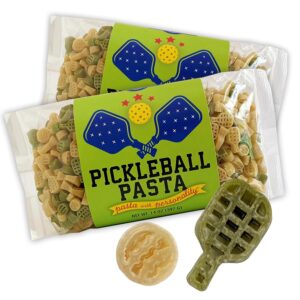
Unfortunately, I’ve also heard plenty of stories that make me shake my head. Have you experienced any of these?
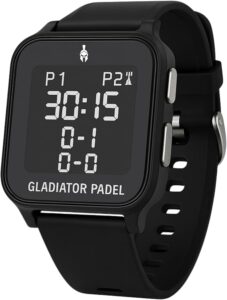
The coach who keeps looking at their watch during your lesson, like they can’t wait to be done.
The one who doesn’t show any genuine interest in you or your goals, your level, your progress. Ugh! What’s your last name? Where you are from?
Coaches who are just there for the money, not because they love teaching. They never smile, and look like they are irritated at you for being there. Whoa! I was at a clinic where a student said something about being bored with the drill we were doing, and the coach went off on her. He yelled for a good 5 minutes, about how it was his class and no one was going to tell him what to do…yada yada yada. It was awkward for the rest of us. Yikes! I made a mental note, that I would never do that to one of my students. And one day, that happened. I had a clinic and one of the students said she didn’t like the drill we were working on, and could we do something else? I said, “Sure!” and moved onto another drill. Everyone was happy. Hey, it’s their clinic and if they don’t like something or want to do something else, I don’t bat an eye. I happily move on.
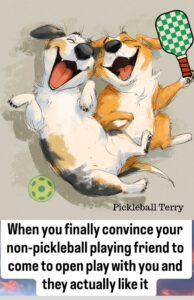
The coach who yells, disrespects, or makes you feel small for making mistakes. I will not do this. I will not do this. I will not do this. I have slipped up and done this and I have repented. I will not do this again.
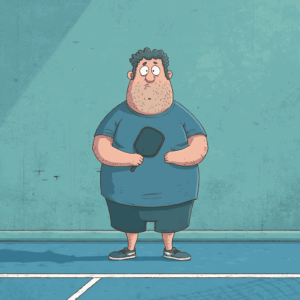
I’ve even seen coaches take phone calls while their student is paying for private time! This soooo bugs me. Unless it’s an emergency, don’t take the call. However, if a student gets a call and wants to answer, I have no problem with that. Also, the dang Apple watches where people stop in the middle of a lesson to read the text. Really??? That important? Concentrate of the lesson instead.
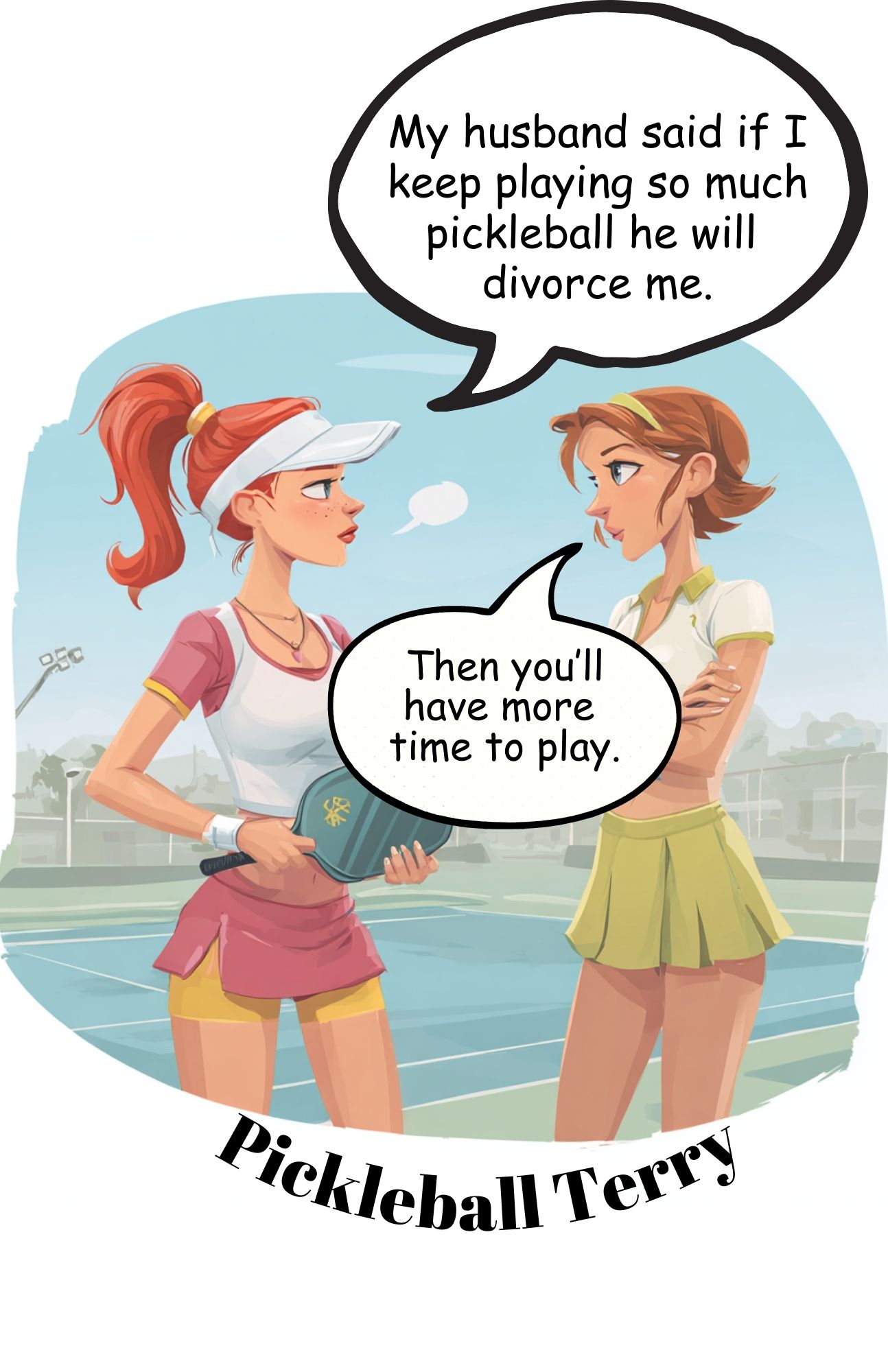
Or the classic: you sign up for a private lesson, but when you show up, the coach’s cousin or buddy is on the court too, suddenly turning your private into a semi-private. Not a good move. Shows disrespect for the student that signed up for a private lesson.
Some coaches will stop abruptly the second the hour is up, even if you’re in the middle of learning something important. Buzzz. Their alarm goes off on their phones, Okay, lesson is over. Where’s the money? Very unprofessional. If things are going good, I’ll give them a 1/2 hour more. I want to make sure they are satisfied with the lesson. When I was a beginner, I took a lesson and the coach watched their time the entire lesson, and as soon as the hour was over, they were out of there.
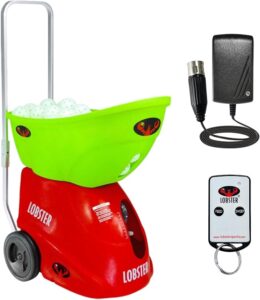
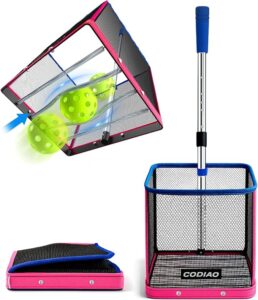
And this one. The coach who makes you pick up every ball while they stand there watching you. Oh my gosh, this actually happens more time than you think, especially if they are using a ball machine, blasting balls at the student until the machine runs out of balls. I call this lazy coaching. Then they make the student/students pick up the balls which takes up a lot of valuable lesson time. If you are an adult especially a senior, this is unusual punishment. Picking up 50 balls while the coach sits on the bench looking at their phone. No thank you! Half of your lesson should not be picking up balls.
These are all signs of someone who isn’t fully invested in you.
A great coach does the opposite. They show up early, prepared, and fully focused. They take time to get to know you — your strengths, weaknesses, and goals. They don’t just bark orders; they encourage, explain, and guide. They give you their full attention and energy, and they genuinely care about your progress.
Most importantly, a good coach makes learning fun. You leave the court feeling encouraged, motivated, and excited to play again.
If you ever run into a coach who makes you feel like an afterthought, trust your gut — you deserve better. Pickleball is too great a game to waste on bad coaching experiences.
Pickleball is growing at a rapid pace, and with that growth comes a surge of new players eager to learn. While anyone can hit a few balls and explain the rules, being a truly great pickleball coach takes more than just skill on the court. It’s about leadership, communication, passion, and creating an environment where players can grow.
A great coach has a solid understanding of the game — not just the rules, but strategies, shot selection, footwork, and court positioning. They stay current on evolving techniques and tournament trends, and they can break down complex plays into simple, actionable steps. Players trust a coach who can not only perform but explain why each shot or movement matters.
Even the best drills are useless if they aren’t communicated well. Great coaches know how to explain things clearly and concisely, adapting their language to match the level of the student. Beginners need simple, encouraging guidance, while advanced players might benefit from more tactical, detailed feedback.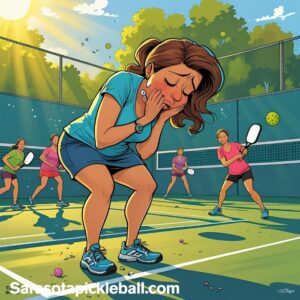
Learning pickleball can be both exciting and frustrating. A great coach understands that mistakes are part of the journey. They stay patient, positive, and encouraging, helping students build confidence at their own pace. This supportive environment keeps players motivated and coming back.
No two players are alike. A strong coach observes each player’s strengths, weaknesses, and learning styles, then tailors drills and strategies accordingly. Whether it’s refining a serve, improving footwork, or building doubles teamwork, personalization helps players improve faster.
Great coaches bring enthusiasm to every session. Their love for the game is contagious. When players see their coach having fun and genuinely caring about their progress, they feed off that energy. Passion turns a lesson into an experience.
Lastly, great pickleball coaches lead by example. They model sportsmanship, respect, punctuality, and dedication.
A great pickleball coach blends technical skill with human connection. They don’t just teach shots — they build confidence, community, and love for the game. And that’s what keeps players learning and thriving. I major in all the above. I share the love of the game and inspire people to get out and play. But, I’m not the only coach out there. I know a lot of great coaches. See who works best for you, and take some lessons to improve your game.
Thanks for reading,
Pickleball Terry
 Christmas is coming and to help you pick the perfect pickleball gifts, I have put together my favorite things.
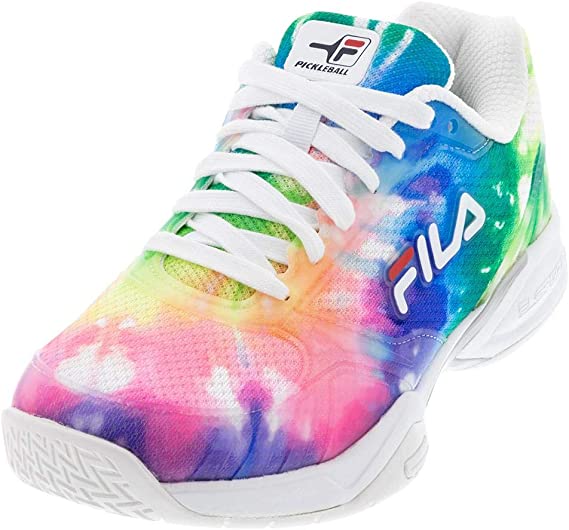
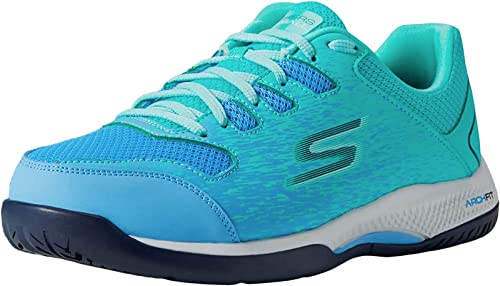
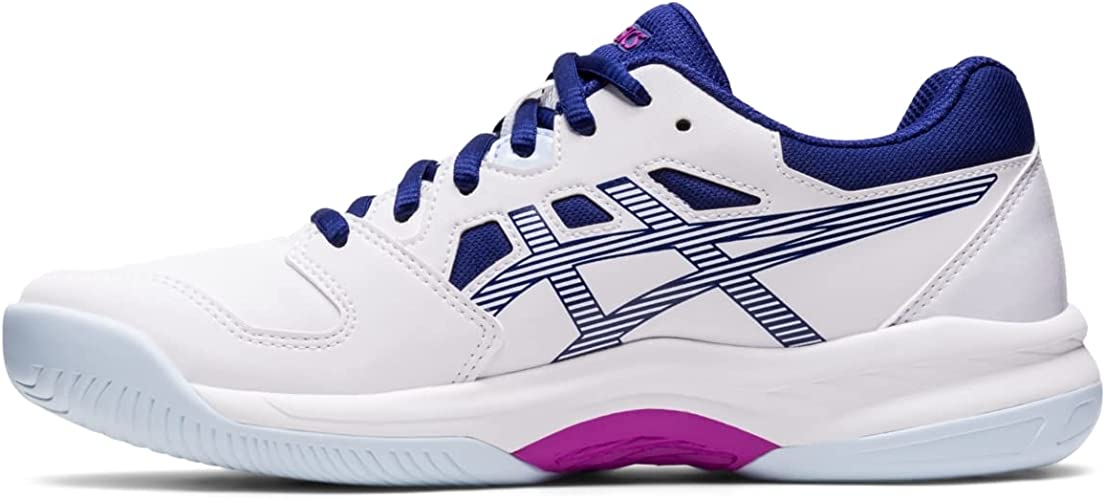
Court Shoes