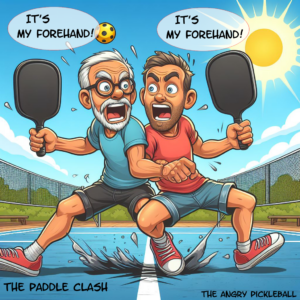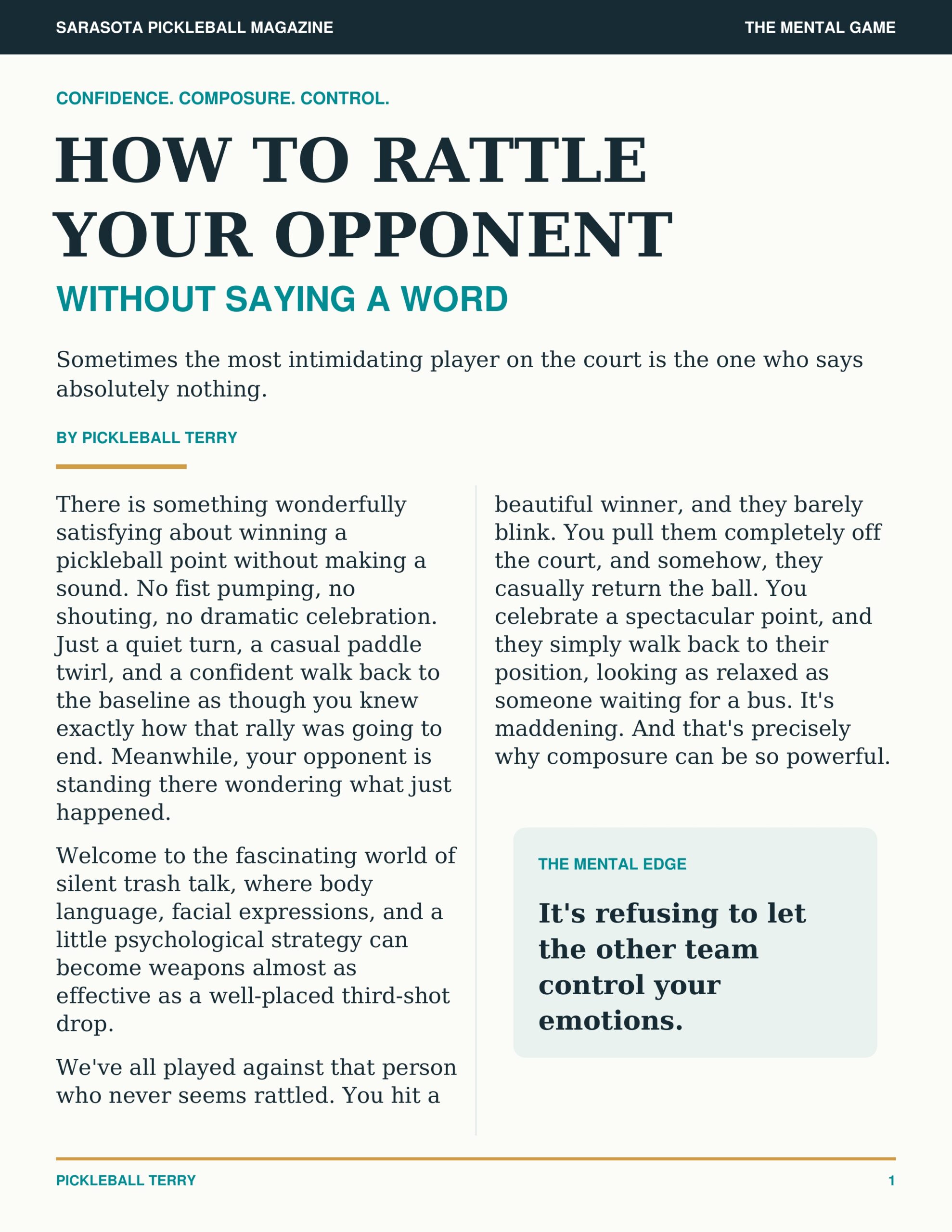
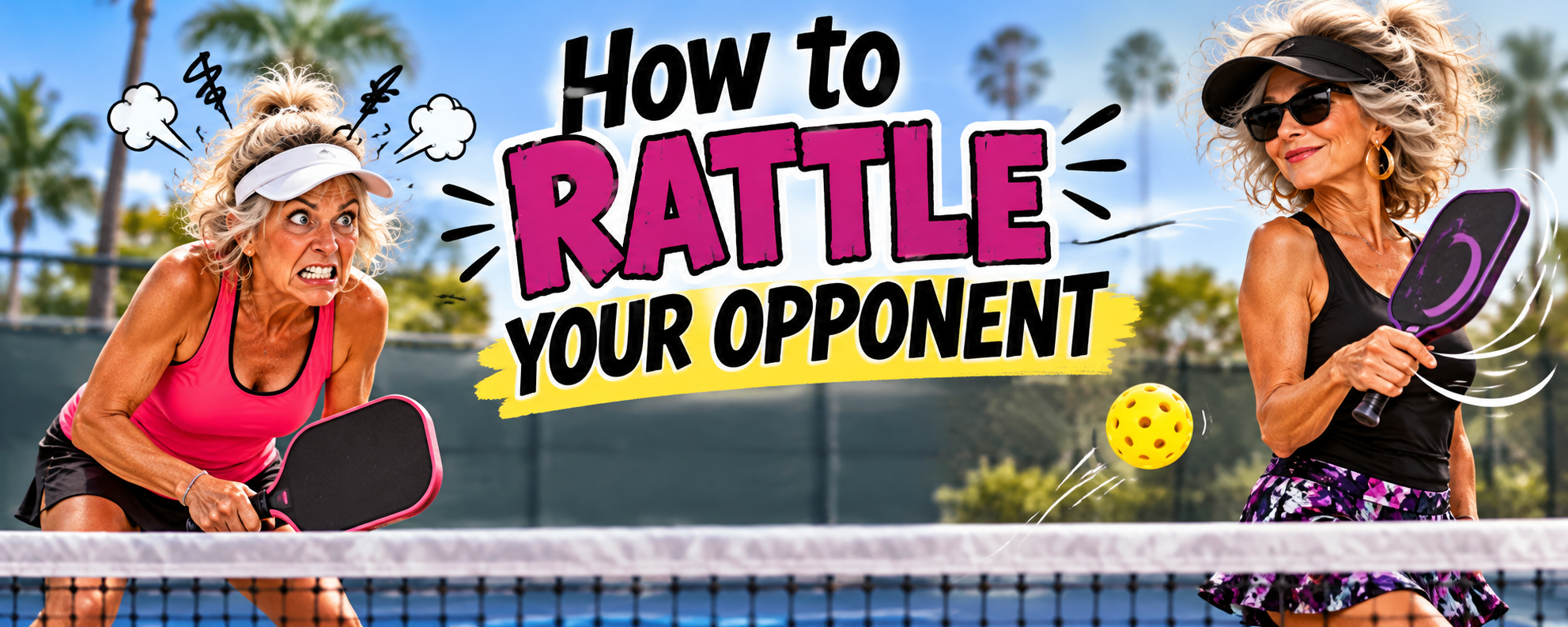
How to Rattle Your Opponents

For pickleball players of all skill level 941-400-0978
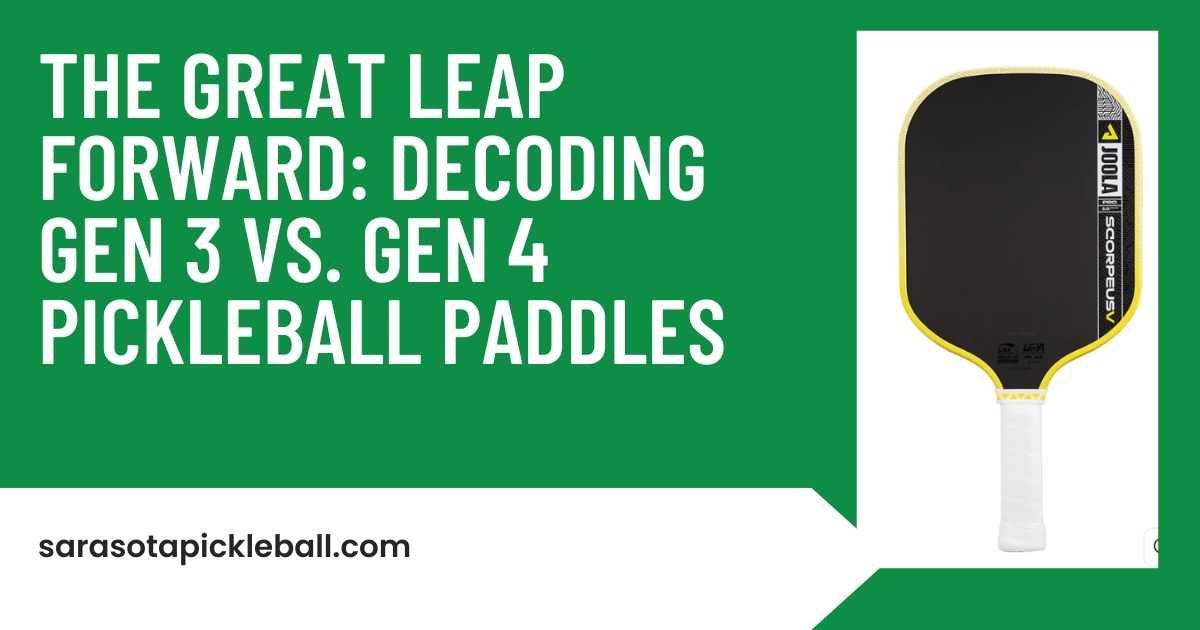
In the world of pickleball, equipment evolution is moving at warp speed. Just when you think you’ve mastered your favorite paddle, a new “generation” drops, promising to change the game. We’ve gone from the equivalent of “Prehistoric Paddles” (wooden planks) to the “Graphite Revolution” and now, we’re witnessing a battle for supremacy in the modern era: Generation 3 vs. Generation 4.
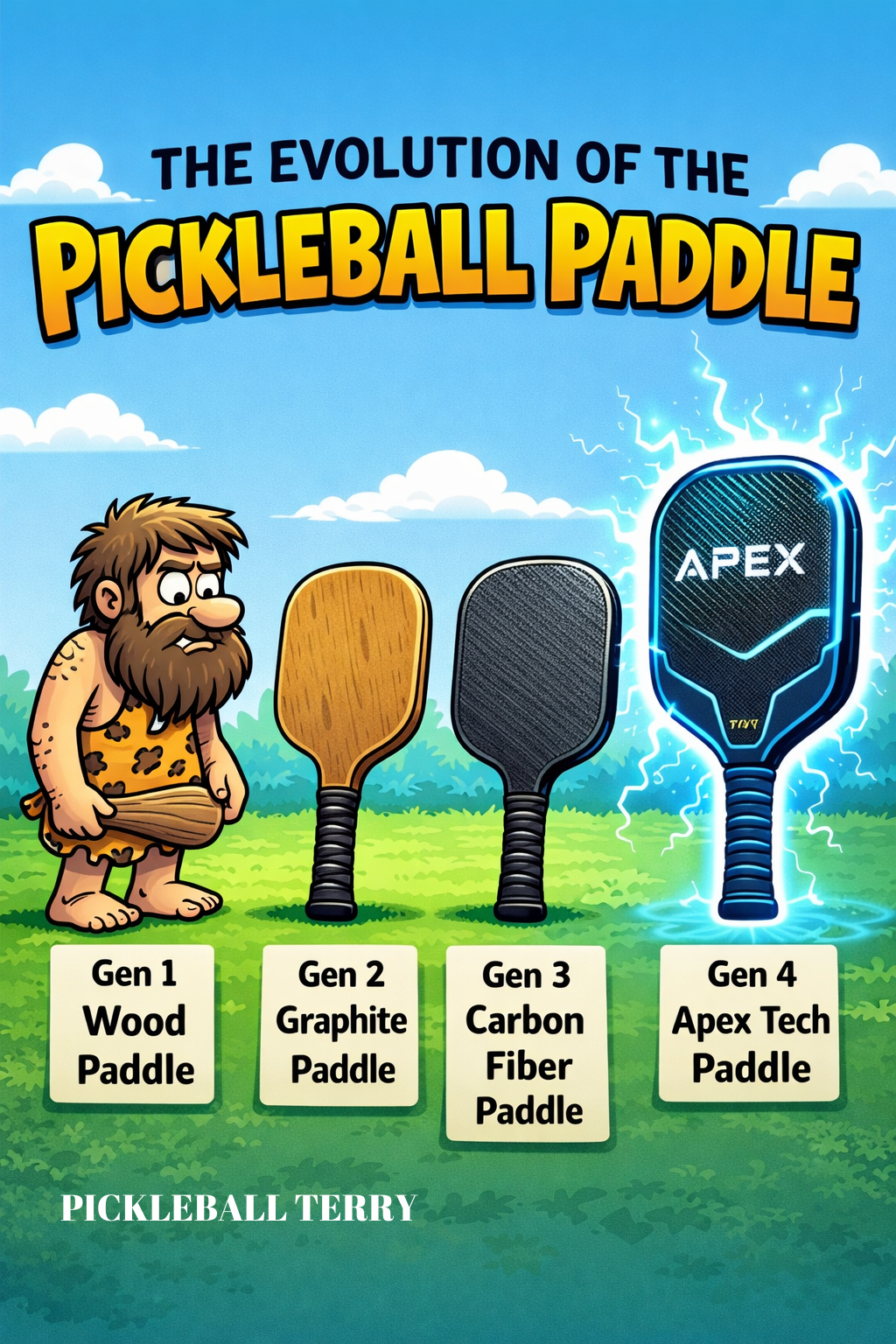 The “Evolution of the Pickleball Player” image provided perfectly captures this trajectory. We’ve left the simple “Tennis Exile” days far behind and are now firmly in the “Smart Tech Epoch.” If you’re a serious player, understanding the subtle (and sometimes radical) differences between Gen 3 and Gen 4 paddles is crucial for your next purchase.
Generation 3: Mastering the Hybrid
Generation 3 paddles were the first major jump into complex, composite engineering. They moved past basic graphite and carbon fiber faces by focusing heavily on core technology.
The hallmark of a Gen 3 paddle is the advanced honeycomb core, often made of polymer or specialized polypropylene, designed for a blend of power and control. These paddles refined the “sweet spot” and introduced technologies like perimeter weighting (for stability) and specialized textures (like raw carbon fiber) for maximum spin.
Think of Gen 3 as the era of optimization. They took the existing “Graphite Revolution” materials and engineered them to their absolute physical limits. These paddles are excellent “all-arounders,” providing a balance that many players still swear by.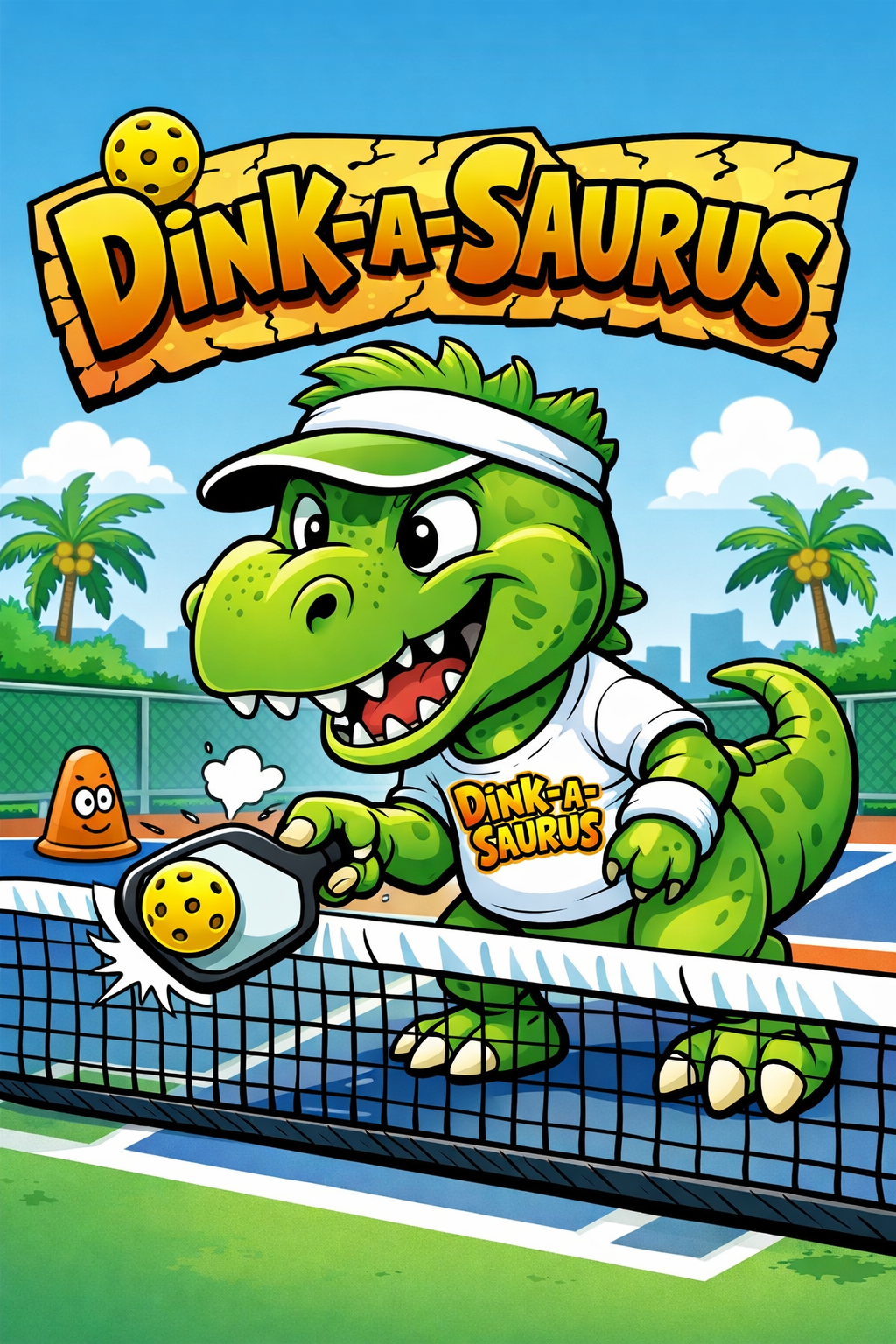
Generation 4: The Apex of Synthesis
If Gen 3 optimized materials, Generation 4 is about synthesis and the integration of technology, bordering on “The Ultimate Dink-a-Saurus” concept shown in the image. Gen 4 paddles are the frontier of innovation.
While not (yet) integrated with Wi-Fi (the day will come), Gen 4 paddles use materials and construction techniques previously reserved for aerospace engineering.
The core differentiator is the radical material integration. Instead of a simple core bonded to a face, Gen 4 paddles often use proprietary, multi-material composite cores (e.g., combining different densities or materials) or unique weaving techniques that allow the face and core to act as a single, dynamic unit. The goal is maximized energy transfer (power) without sacrificing feel and control. This technology provides a level of power, pop, and devastating spin that feels almost unnatural to those used to older gear.
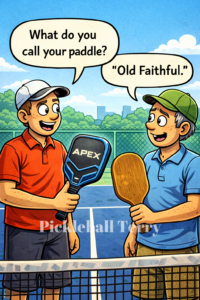
The Verdict
So, which one do you need?
Generation 3 paddles were the first major jump into complex, composite engineering. They moved past basic graphite and carbon fiber faces by focusing heavily on core technology.
The hallmark of a Gen 3 paddle is the advanced honeycomb core, often made of polymer or specialized polypropylene, designed for a blend of power and control. These paddles refined the “sweet spot” and introduced technologies like perimeter weighting (for stability) and specialized textures (like raw carbon fiber) for maximum spin.
Think of Gen 3 as the era of optimization. They took the existing “Graphite Revolution” materials and engineered them to their absolute physical limits. These paddles are excellent “all-arounders,” providing a balance that many players still swear by.
The Verdict
So, which one do you need?
In 2026, the pickleball market has split into two distinct ways of using foam: as a perimeter stabilizer (edge injection) or as a full-core replacement for traditional honeycomb.
Hybrid Foam (Edge-Injected)
Most high-performance paddles in 2026 use foam around the outer edges. This acts as a “perimeter weight,” which expands the sweet spot and makes the paddle more stable on off-center hits. It also helps dampen the “pingy” vibration of polymer cores.
Uses Hyper-Foam Edge Wall technology.
Foam injected around the paddle frame to improve stability and enlarge the sweet spot.
Designed for power players who want forgiveness on off-center hits.
Built with FlexFoam perimeter technology.
Foam around the edge increases stability and reduces vibration.
Known for control and touch in the soft game.
Thermoformed construction with foam-injected edge walls.
Expands the effective sweet spot and improves paddle stability.
Uses dense foam instead of a traditional honeycomb core.
Eliminates dead zones and produces a very consistent paddle face.
Engage ProFoam | High Density Foam Core Performance Pickleball Paddle –
Full Foam Core (Generation 4)
True “Gen 4” paddles have removed the honeycomb entirely. By using a solid foam core, these paddles eliminate the risk of “core crush”—a common issue where honeycomb cells break down over time. These paddles provide a “thud” rather than a “pop,” which is excellent for dwell time and spin.
Dwell time is the brief moment the ball compresses on the paddle before it springs off. Paddles with longer dwell time tend to feel softer and give players more control and spin, while paddles with shorter dwell time feel crisp and produce more power.
Not to confuse you more but…When people talk about “flex time” in Gen-4 pickleball paddles, they are usually referring to how long the paddle face flexes and holds the ball before it rebounds.
It is closely related to dwell time, but flex time focuses more on the paddle bending or compressing, not just the ball contacting the face.
Simple explanation…
Choosing Your Feel
If you prefer a crisp, traditional feel with added forgiveness, look for a foam-injected edge paddle like the JOOLA. If you want a plush, quiet response and the highest possible spin potential, a full foam core like the CRBN is the way to go.
Recommendation based on playstyle:
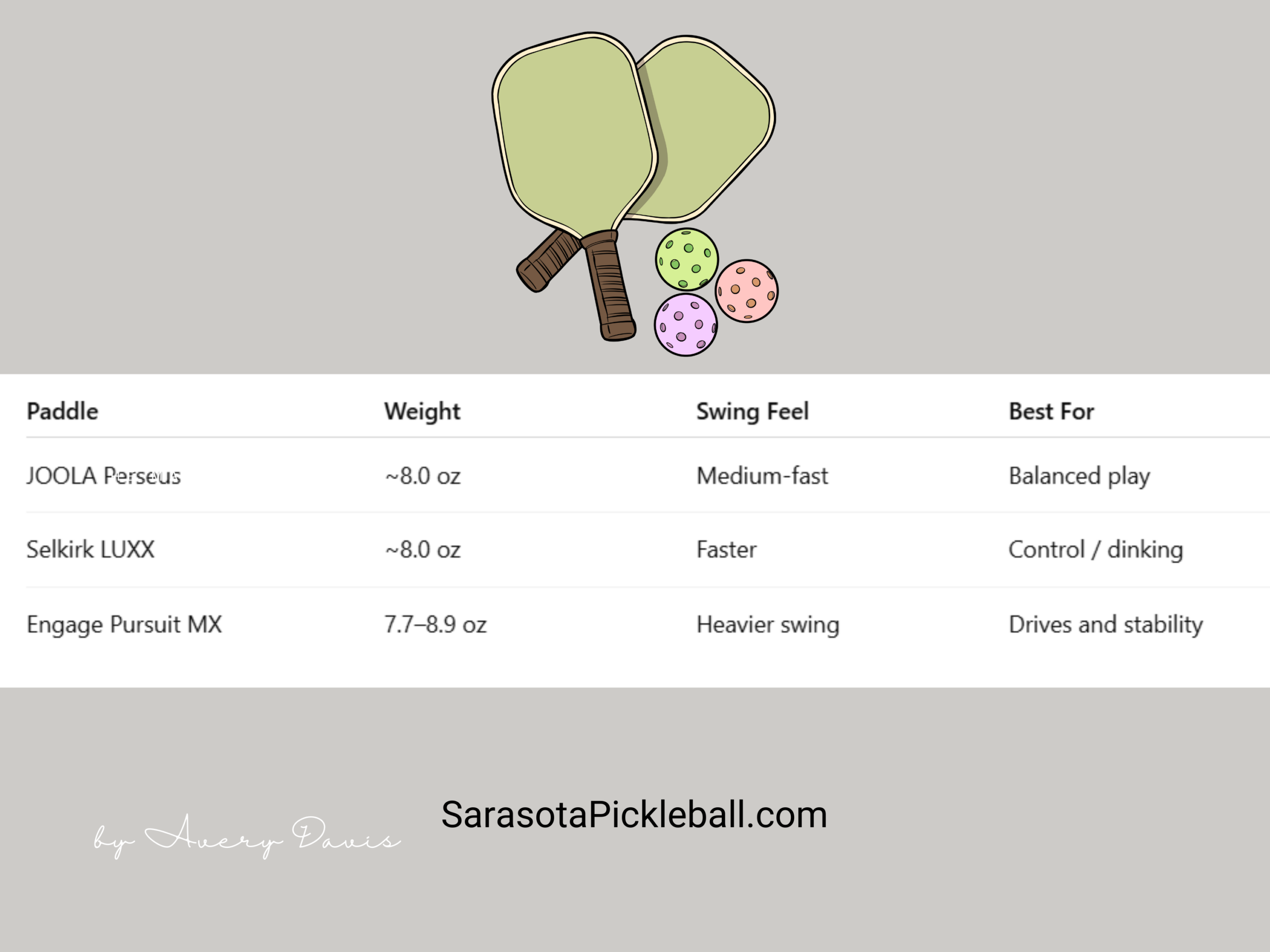
To help you decide between these modern foam-integrated options, I’ve compared their weights and swing speeds. These factors are critical for determining how “fast” a paddle feels at the kitchen line and how much effort it takes to reset hard-hitting shots.
Which one should you choose?
Player Insights & Tournament Performance
Comparison of Foam-Integrated Models
| Engage ProFoam | High Density Foam Core Performance Pickleball Paddle –
|
CRBN TruFoam Genesis 3 Pickleball Paddle
|
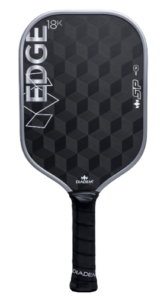
Diadem Edge BluCore Hybrid Pickleball Paddle
|
|
| Foam Tech | Edge Injection | Full Foam Core | Perimeter Ring |
| Vibration Dampening | High | Maximum | Moderate |
| Ball Feel | Crisp/Connected | Plush/Soft | Solid/Stable |
| Ideal Playstyle | Aggressive All-Court | Dink & Spin Specialist | Consistent/Forgiving |
Final Recommendation
I remember the old days when we were happy with a wooden paddle and a Jug pickleball ball. Now, you have to practically be a scientist learning about the next generation of paddles. Stick with me, and I’ll try to keep up for you.
Thanks for reading,
Pickleball Terry

Rebuttal: Pickleball Is Not a Drug—It’s a Lifelong Passion With Balance
Headline from the New York Post:
Doctors warned that “pickleball is a drug” as injuries rise among fervent players getting triangle fractures, wearing designer heels—even matching paddle and shoes. New York Post
Here’s how I would reframe this, not dismissing the concerns, but celebrating why that enthusiasm is a gift, and how balancing passion, safety, and joy makes it sustainable. By Pickleball Terry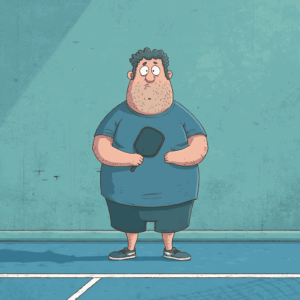
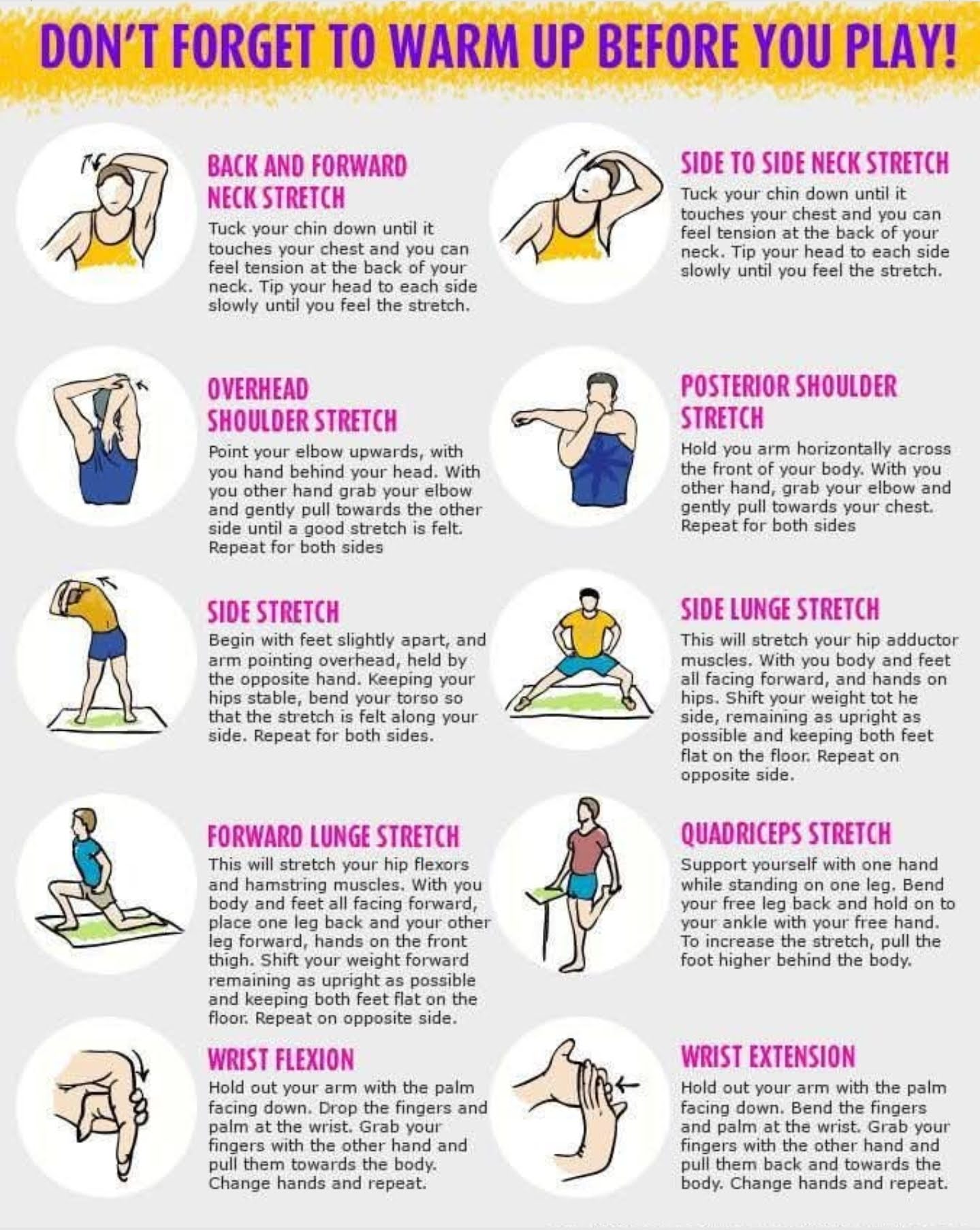
“Enthusiasm isn’t addiction. Pickleball becomes a problem only when it’s done without balance, care, or community. Injuries ease with warm-up.”
Pickleball Terry
For full intineray, go to Pickleballandcostarica.com.
A few spots remaining. Pst…free paddles and free T-shirts for all players.

 How to Play Aggressive Pickleball (Without Losing Control)If you want to win more pickleball matches, sometimes the best defense is a great offense. Playing aggressively on the court can help you take control, apply pressure, and dominate — but it needs to be smart and strategic.
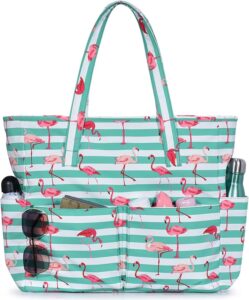 CLICK HERE
Aggressive pickleball isn’t just about hitting the ball hard. It’s about:
Aggression is about mindset as much as mechanics.
When you play fast and aggressively, your opponents have less time to react — leading to more unforced errors.
Aggressive players dictate how rallies unfold. You’re playing offense, not defense.
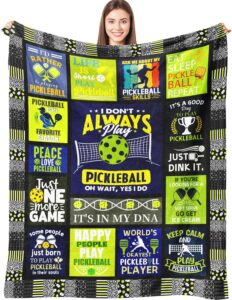
An aggressive approach fuels energy and momentum, shifting a match in your favor, especially in doubles.
After your third shot, rush the net and hold the line. This is where most points are won. From this position, you can:
Look for:
When you see a ball sitting up, go for it — but stay in control. Target feet, hips, or open court space.
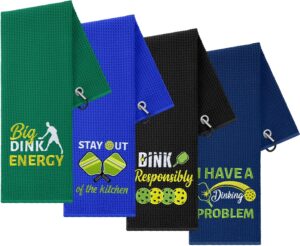
4 Pieces Funny Dinkball Towels Microfiber Cotton Athletic Towels click here
Aggression doesn’t always mean power. Well-placed shots can be just as deadly:
Aggressive players don’t wait — they read and react. Stay light on your feet and anticipate your opponent’s next shot.
Playing aggressively doesn’t mean playing emotionally. Stay calm, composed, and calculated. Smart aggression wins — not wild swings.
Don’t attack just for the sake of it. Know when to reset the rally instead. Avoid attacking when:
Patience is part of being aggressive — wait for the right ball.
If you want to level up your game, don’t just “play it safe.” Be the player who takes initiative, attacks smartly, and stays one step ahead.
When done right, aggressive pickleball is confident, calculated, and incredibly effective.
Want more pickleball tips? Subscribe to our newsletter and get weekly insights straight to your inbox.
Thanks for reading!
Pickleball Terry
Mastering the Third Shot Drop in Pickleball: What It Is, How to Do It, and Why It Matters by Pickleball Terry
If you’re looking to level up your pickleball game, one shot you must understand and practice is the third shot drop. It’s a staple of smart, strategic play—especially in doubles—and often separates casual players from those with a more competitive edge.
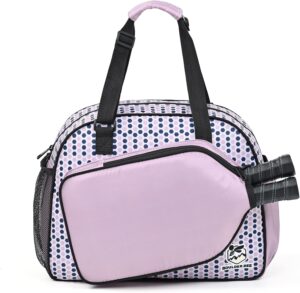
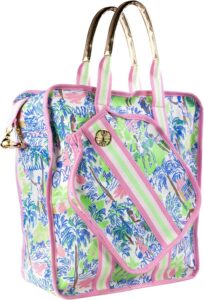 Lilly Pulitzer Pickleball Bag for Women with Storage for 2 Paddles, Zipper Pocket, Waterbottle Sleeve and Gold Details, Serving it Up CLICK HERE FOR PRICE
What is the Third Shot Drop?
The third shot drop is exactly what it sounds like: a soft, arcing shot played on the third shot of a rally. Here’s the typical sequence: (Remember: The serving team does the Third Shot Drop.)
After you serve and your opponent returns the ball, you (or your partner) play the third shot. The goal is to gently drop the ball over the net into the opposing team’s non-volley zone (also called the “kitchen”), where it ideally lands softly and is difficult to attack. Sounds easy but it’s not. It’s much easier to drive the ball than to execute a Third Shot Drop. A little too high and you have just given your opponents an easy put-away. Or too soft and whoops! It lands on your side of the net. Plus it takes more brain energy to remember to use this shot successfully. Yes, it’s much easier to just slam the ball back and hope for the best. As you improve and play more advanced players, the Third Shot Drop becomes strategic to the game. You will not be able to drive a ball through advanced players who are stationed at the NVZ (non-volley zone). If you want to move up, it’s going to take more effort in the form of perfecting Third Shot Drop.
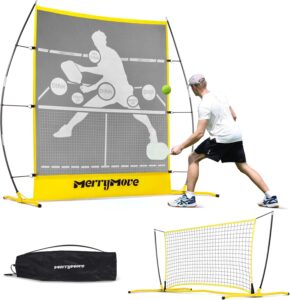
Pickleball Practice Rebounder Net: Pickleball Rebounder or 6FT Mini Pickleball Net Portable CLICK HERE FOR PRICE
I tell my students that they have to practice the shot a thousand times ( A little dramatic but practice, practice, practice.) before they try to bring it to their game. If they don’t, too many errors and they have a better chance of a drive. But if they want to move up in level, they have to know this shot and be able to execute it.
Why is It So Important?
Pickleball is a game of positioning, and the most advantageous position is at the non-volley zone (NVZ). After serving, however, the serving team is at a disadvantage because they must stay back for the return. A well-executed third-shot drop allows the serving team time to advance to the NVZ safely.
If instead, you drive the ball hard on the third shot, it often results in an easy volley or put-away for your opponents. The drop shot neutralizes the return team’s advantage, forcing them to play a soft shot from below net level, giving you time to move up.
How to Execute a Third Shot Drop
Here’s a breakdown of the mechanics:
Grip and Stance: Use a continental grip for better touch. Stay low with knees bent, paddle out front, and eyes on the ball.
Contact Point: Hit the ball after it bounces, ideally when it’s on the rise. Make contact in front of your body.
Soft Touch: Think of it like tossing an egg—you want to cradle the ball with a gentle lift, not a swat. The paddle motion is more of a slow upward arc.
Target Area: Aim to land the ball just over the net and into the kitchen. It should bounce low, making it hard for your opponents to attack.
Consistency: This shot takes time to master. Focus on control, not power. Drilling this repeatedly is key.
When to Use It
While the third shot drop is most common after a return of serve, you can also use drop shots later in the rally when you’re pushed to the baseline. It’s especially effective against aggressive players who hug the net and are looking for opportunities to smash.
Final Thoughts
The third shot drop isn’t flashy, but it’s fundamental. By giving your team time to move up and take control of the net, you turn defense into offense. It requires patience, finesse, and practice—but once mastered, it becomes a game-changer.
So the next time you step on the court, don’t just drive the ball—drop it with intention. Your future self (and your partner) will thank you.
Thank you for reading,
Pickleball Terry
SarasotaPickleball.com
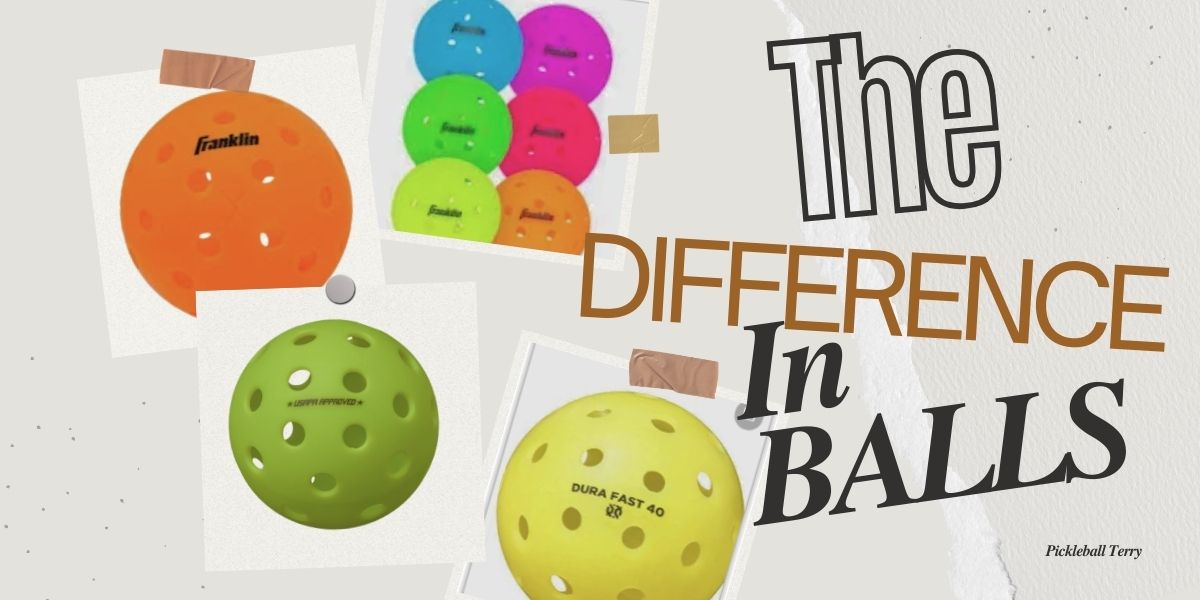
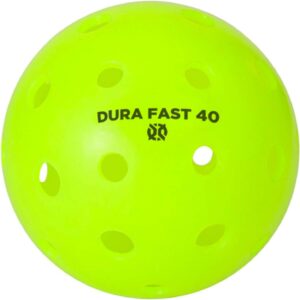
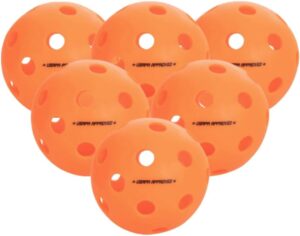
Ball wars do happen. What do I mean by “ball wars”? These are disagreements that occur on pickleball courts over the type of balls being used. Some players prefer the Franklin ball, while others favor the Dura 40. Additionally, some players prefer the orange ball, while others insist on using only the green one. I’m referring specifically to outdoor balls, which are harder and have 40 small holes. In contrast, indoor balls have 26 holes, are softer, and are designed for gym floors, making them slower than outdoor balls. I’ve seen players switch balls mid-game, provoking their opponents when they discover that the ball they wanted to use is missing.
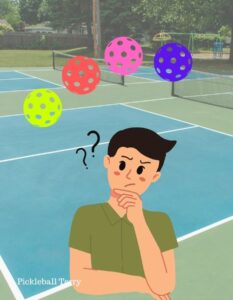
Pickleball may be simple to learn, but choosing the right equipment can make a big difference in your performance—especially when it comes to outdoor pickleballs. Unlike their indoor counterparts, outdoor balls are designed to handle wind, rougher surfaces, and the elements. But not all outdoor balls are created equal.
Let’s dive into the different types of outdoor pickleballs, what sets them apart, and how to choose the right one for your game.
Outdoor pickleballs:
Have smaller, more numerous holes than indoor balls (usually 40 holes).
Are heavier and harder to cut through wind resistance.
Bounce lower and travel faster than indoor balls.
Tend to wear out faster due to the rougher court surfaces and impact.
With that in mind, here are the most popular types of outdoor pickleballs and what makes each one unique.
Feel: Hard and fast, offering consistent bounce and true flight.
Durability: Known to crack sooner than others, but widely used in official tournaments.
Playability: Favored by pros for its speed and precision.
Fun fact: The Dura 40 is the official ball of many major tournaments, including the USA Pickleball National Championships.
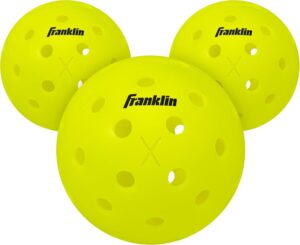
Feel: Slightly softer than the Dura, but still fast and responsive.
Durability: More durable than the Dura, especially in hot weather.
Feel: Softer and quieter with a slightly higher bounce.
Durability: Highly durable and less prone to cracking.
Playability: Easier to control, making it great for learning and casual play.
The Fuse G2 is a comfortable option for players transitioning from indoor to outdoor play.
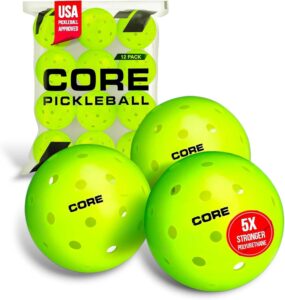 CLICK HERE FOR PRICE
Feel: Similar to Franklin, but with a slightly firmer touch.
Durability: Designed to withstand high impact and rough surfaces.
Playability: Consistent bounce and good visibility, especially in yellow or neon.
CORE balls are growing in popularity due to their balance between pro-level performance and long-lasting play.

When selecting a ball, consider:
Your skill level: Beginners may prefer softer, slower balls for easier control.
Playing conditions: Harder balls perform better in windy conditions.
Frequency of play: If you play often, look for a ball with a reputation for durability.
Tournament rules: If you’re playing competitively, check which balls are USAPA-approved.
The best outdoor pickleball for you depends on your goals and playing environment. Whether you’re a weekend warrior or aiming for tournament gold, experimenting with a few types is the best way to find your match. Remember—your paddle and your strategy matter, but so does your ball.
🇺🇸 Made in USA Pickleball Gear
| Brand | Product Type | Made in USA? | Notes |
|---|---|---|---|
| Selkirk Sport | Paddles | ✅ Yes | Premium paddles made in Idaho. Trusted by pros. |
| Paddletek | Paddles | ✅ Yes | Made in Michigan. Great for control and feel. |
| Engage | Paddles | ✅ Yes | Designed and produced in Florida. |
| GAMMA Sports | Paddles | ✅ Mostly | Innovative tech; made in Pittsburgh. |
| Franklin | Balls | ❌ No | Manufactured in China. |
| Dura | Balls | ❌ No | Formerly USA-made, now produced in China. |
| Onix | Balls & Paddles | ❌ No | Designed in the US, made overseas. |
| American Giant | Apparel | ✅ Yes | Durable athleticwear, made entirely in the USA. |
| Locale Pickleball Co. | Apparel | ✅ Some items | Small brand. Check tags for origin. |
And then there are indoor balls
Indoor pickleballs are built specifically for smoother, hard court surfaces with no wind or weather interference. Here’s how they stand out:
Fewer holes: Usually 26 larger holes (vs. 40 smaller ones in outdoor balls)
Softer plastic: Makes for slower play and better control
Quieter: Less noise during rallies—great for gyms and shared spaces
Higher bounce: Helps compensate for slicker surfaces
Feel: Soft and lightweight
Bounce: Higher than most—great for slower indoor courts
Durability: Very durable; holds up well on hardwood and tile floors
Best for: Beginners, casual play, and schools
📝 Note: Jugs are not USAPA approved for tournament play—but they’re a fan favorite for recreational use.
Feel: Slightly firmer than Jugs
Bounce: Consistent with a smooth feel
Durability: Excellent; designed for extended indoor use
Best for: Competitive recreational players, clubs, and training
📝 The Onix Fuse Indoor ball is USAPA-approved, which makes it a solid pick for league play.
Feel: Very balanced—between soft and firm
Bounce: Consistent, slightly lower than Jugs
Durability: Good; may crack over time with heavy use
Best for: Players who like a bit more control and quieter hits
📝 Great for controlled rallies and technical play indoors.
Feel: Firm and responsive
Bounce: Consistent and slightly livelier
Durability: Designed for high-usage environments like rec centers
Best for: Players transitioning from outdoor to indoor
📝 A newer player in the market, but gaining popularity quickly.
| Brand | Holes | USAPA Approved? | Bounce | Durability | Best For |
|---|---|---|---|---|---|
| Jugs | 26 | ❌ No | High | High | Beginners, schools, rec play |
| Onix Fuse | 26 | ✅ Yes | Medium | Very High | Clubs, leagues, consistent play |
| Franklin X-26 | 26 | ✅ Yes | Medium | Moderate | Technical/control players |
| CORE | 26 | ✅ Yes | Medium-High | High | Versatile indoor players |
New to the game? Try Jugs—they’re forgiving and fun to play with.
Want tournament-ready play? Onix Fuse or Franklin X-26 are safe bets.
Looking for all-around durability? CORE Indoor or Onix Fuse are your go-tos.
So there you go. I remember the days when we were just happy to have a jug ball, but times have changed, pickleball has advanced, and so have the players.
Keep playing pickleball.
Thanks for reading,
Terry Ryan
A.K.A. Pickleball Terry


Leg Strength: A Key Indicator of Overall Health and How to Build It By Terry Ryan (A.K.A. Pickleball Terry)
When it comes to overall health and longevity, leg strength plays a crucial role. Studies have shown that leg strength is a strong predictor of overall vitality, mobility, and even cognitive function. Whether you are an athlete, an active adult, or someone looking to improve daily function, focusing on strengthening your legs can have significant benefits for your health and well-being.

Balance Board Professional Wobble Board for Adults Anti-Slip 350LBS Balance Boards for Physical Therapy
Talking to one of my longtime friends, she mentioned to me that she is worried to fall down because she doesn’t think she could get up without someone’s help. I stopped in my tracks. What did she mean? Didn’t she know how important it is to maintain lower body strength? Weak legs are the first sign that your body is breaking down, according to a doctor I listened to on Youtube. Loss of leg strength is a way to lose mobility, and on your way to losing independence. Yikes!
I said nothing to her besides offering her free pickleball lessons. This was not even an option for her because she was too afraid of falling.
Why Leg Strength Matters
Strong legs are essential for maintaining mobility as you age. They allow you to perform daily activities like walking, climbing stairs, and getting in and out of chairs with ease. Weak leg muscles can lead to balance issues and increase the risk of falls, which is a major concern for older adults.
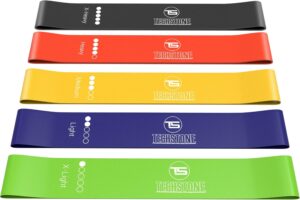
Leg muscles are among the largest in the body, and strengthening them helps improve metabolism. Engaging these muscles in strength training or endurance exercises can lead to better blood circulation, lower blood pressure, and reduced risk of cardiovascular diseases.
Surprisingly, leg strength has been linked to brain health. Research suggests that individuals with stronger legs tend to have better cognitive function and a lower risk of dementia. This is likely due to improved blood flow and oxygen supply to the brain, which are enhanced by regular physical activity.
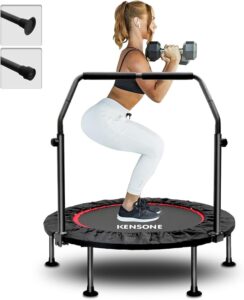
Weight-bearing exercises that strengthen the legs also improve bone density, reducing the risk of osteoporosis. Strong leg muscles support the joints, alleviating stress on the knees and hips, which helps prevent injuries and conditions like arthritis.
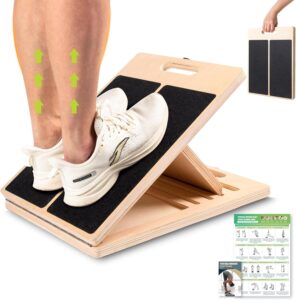
Squats are one of the most effective exercises for building leg strength. They engage the quadriceps, hamstrings, and glutes. Start with bodyweight squats and progress to weighted squats as you gain strength.
Lunges target the major leg muscles while also improving balance and coordination. Try forward lunges, reverse lunges, and side lunges for a well-rounded workout.
Deadlifts are excellent for strengthening the posterior chain, which includes the hamstrings, glutes, and lower back. They also enhance core stability and improve posture.
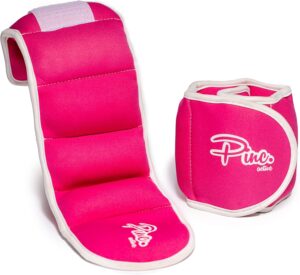
To strengthen the lower legs, perform calf raises by standing on the edge of a step and lifting your heels up and down. This exercise helps with ankle stability and endurance.
Using a sturdy bench or step, step up and down repeatedly while engaging your leg muscles. This functional exercise mimics movements used in daily activities like climbing stairs.
Low-impact exercises like cycling and brisk walking are great for building endurance and strength in the legs without putting excessive strain on the joints.
Using resistance bands for leg workouts can add variety and intensity. Exercises like lateral band walks and seated leg extensions help strengthen the muscles around the knees and hips.
Leg strength is a critical determinant of overall health, affecting mobility, metabolism, brain function, and joint health. Incorporating leg-strengthening exercises into your routine can improve your quality of life, enhance longevity, and prevent injuries. Whether you prefer weight training, bodyweight exercises, or cardiovascular activities, making leg workouts a priority will benefit you in numerous ways. So, keep exercising and keep playing pickleball.
Thank you for reading!
Pickleball Terry
Dinkpickleball@gmail.com
 CLICK HERE
 CLICK HERE TO SEE PRICE
 Click here for price