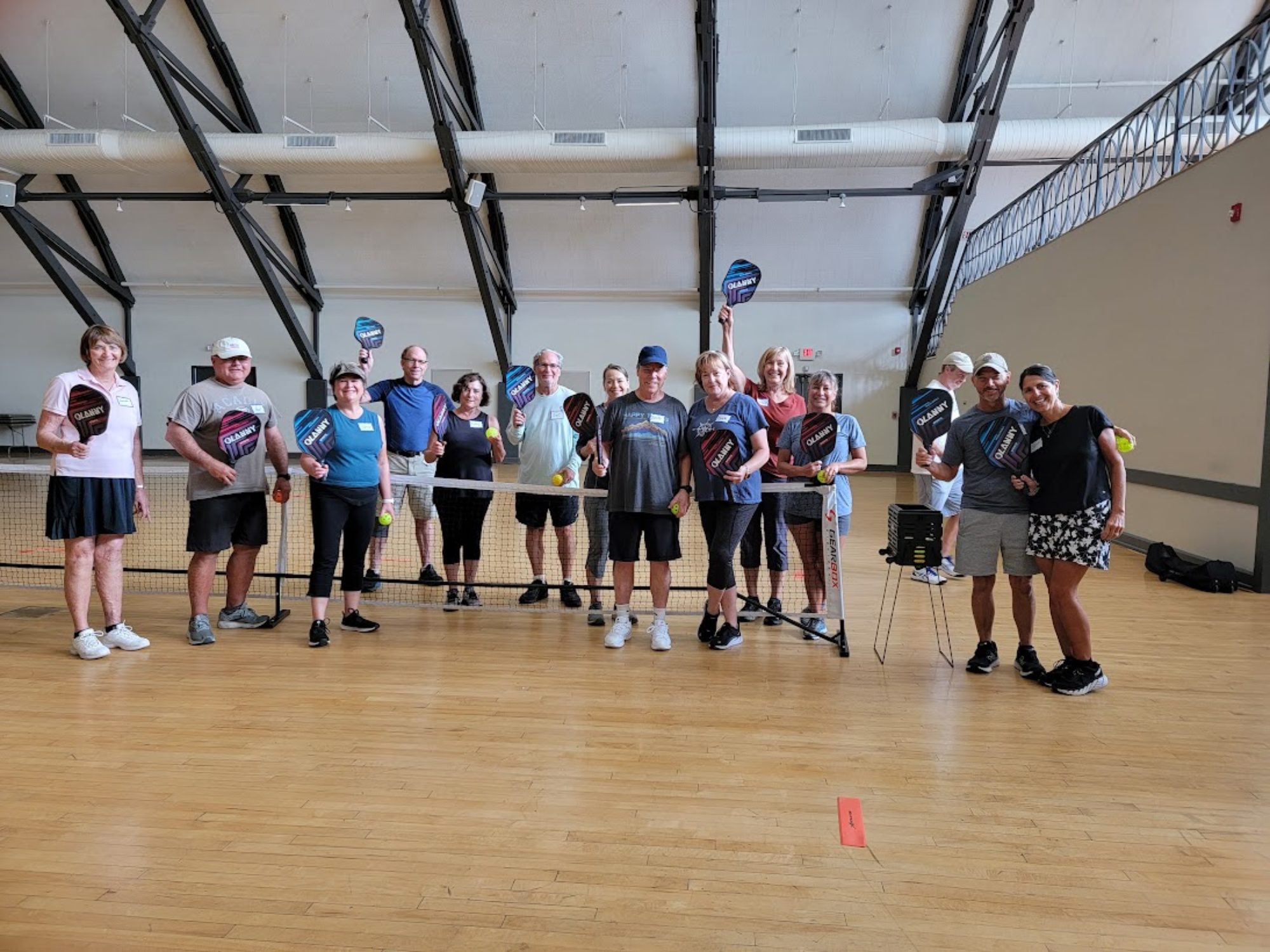
I was sitting at a pickleball potluck recently when the conversation turned to something most of us over 60 know very well: staying in shape isn’t as easy as it used to be.
“You have to work twice as hard at it now,” said the guy sitting across from me.
Boy, is that true. There are people who retire and think, “I’ve worked all my life. Now I’m going to sit in front of the television and relax. I deserve it.” And yes, we certainly deserve some relaxation. But sitting can become a habit just as easily as exercise can, and once we stop moving, getting started again becomes harder.
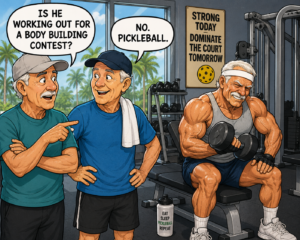
Then there are the people I was sitting with at that potluck. They are in their 60s and 70s, and staying active is something they work at every single day. Gina, as I’ll call her, gets up and goes for a walk. Then she hits the gym before playing pickleball several times a week. Mary recently had a hip replacement, but before that she was training for marathons while also playing pickleball. The people around that table also pay attention to what they eat. They aren’t starving themselves, but they watch their calories and try to make healthy choices.
Last week I had Ray on the cover of Sarasota Pickleball Magazine. Ray is 93 years old and is still playing pickleball. He also does yoga and stays remarkably active. My neighbor Paula is also 93, but she uses a wheelchair.
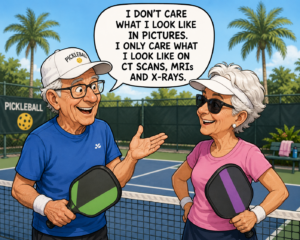
Why do two people of the same age end up in such different places physically? There isn’t a simple answer. Genetics certainly matter. So do injuries, illnesses, medications, accidents and plain old luck. Nobody should assume that someone who needs a wheelchair simply didn’t exercise enough. But there is another part of the equation that we have at least some control over: what we do with the body we have.
The goal isn’t to look 30 when you’re 70. The goal is to be able to get out of a chair, climb stairs, carry your groceries, get down on the floor and hopefully get back up again. And for those of us who love pickleball, we’d like to keep walking onto that court for as many years as possible.
Here are eight things that can help.
- WALK EVERY DAY
Walking may not seem impressive compared with running a marathon, but don’t underestimate it. Walking keeps your legs working, gets you out of the house and helps maintain endurance. You don’t have to walk five miles. Start with what you can comfortably do and build from there. Consistency is more important than bragging rights.
- KEEP YOUR MUSCLES
One of the biggest threats as we age is losing muscle. Strong legs help us get out of chairs, climb stairs and maintain our independence. You don’t necessarily need to become a gym rat. Resistance bands, machines, light weights and body-weight exercises can all help. If you haven’t done strength training before, getting some professional instruction is a smart idea.
- WORK ON YOUR BALANCE
Falling can change your life in a matter of seconds. Balance needs practice just like your pickleball serve does. Yoga, tai chi and appropriate balance exercises can help you keep working on stability and coordination. Pickleball itself requires balance, quick reactions and changing directions, which is another reason I love the game.
- WATCH WHAT GOES ON YOUR PLATE
The people at that potluck weren’t just exercising. They were paying attention to what they ate. As we get older, we may not be able to eat exactly the way we did at 30 and expect the same results. Protein, vegetables, fruits and other nutrient-rich foods matter, and portions matter too. You don’t have to eat perfectly, but eating well most of the time gives your body better fuel for staying active.
- DON’T BECOME A PROFESSIONAL SITTER
This may be one of the easiest traps of retirement. You sit down with your coffee, turn on the television and suddenly three hours have disappeared. Get up. Walk around the house. Go outside. Do some gardening. Take the dog for a walk. Meet somebody for pickleball. The important thing is to keep putting movement into your day.
- PROTECT YOUR JOINTS, BUT DON’T AUTOMATICALLY STOP MOVING
At our age, most of us have something that creaks, aches or complains. The answer isn’t necessarily to quit everything. Sometimes it means changing what we do, getting treatment, strengthening the muscles around a troublesome joint or finding a lower-impact activity. If pain is persistent or getting worse, see a medical professional rather than simply trying to play through it.
- KEEP PEOPLE IN YOUR LIFE
This is something pickleball gives us that a treadmill never will. Other people give us a reason to show up. We laugh, compete, complain about line calls, go out to lunch and notice when somebody hasn’t been around lately. Staying socially connected can be just as important to a good older life as staying physically active.
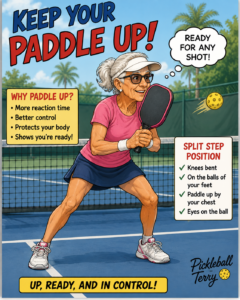
- NEVER DECIDE YOU’RE “TOO OLD”
This may be the most important one. Once you start telling yourself, “I’m too old for that,” your world can become smaller very quickly. You may have to modify what you do. You may move more slowly. You may need a replacement part or two along the way. But don’t automatically surrender an activity simply because another birthday showed up.
Ray is 93. Every time I see him on the pickleball court, I think about what a gift it is to still be able to play at that age. None of us knows what our health will look like at 83, 93 or even next year. There are things we simply cannot control.
But today we can walk. We can strengthen our muscles. We can work on our balance. We can eat a little better. We can turn off the television and go outside. We can call a friend and say, “Want to play?”
Maybe the guy at the potluck was right. Perhaps we do have to work twice as hard at staying in shape now.
But if working at it helps keep us upright, independent and walking onto a pickleball court for another 10, 20 or even 30 years, I’d say it’s worth the effort.
Pickleball Terry
To keep up to date with my funny cartoons about pickleball and to read articles like the one above, subscribe to my Sarasota Pickleball Magazine.
Dinkpickleball@gmail.com
One Reply to “KEEP MOVING: 8 WAYS TO STAY UPRIGHT AND ACTIVE AFTER 60”