

By Pickleball Terry
As a pickleball coach, I’ve met many players who have taken lessons with different instructors, some fantastic, and some… not so much. When you’re spending your time and money to improve, you deserve more than someone who just feeds you balls and tells you to dink. A great coach can make a huge difference in your growth and enjoyment of the game.

Unfortunately, I’ve also heard plenty of stories that make me shake my head. Have you experienced any of these?
-
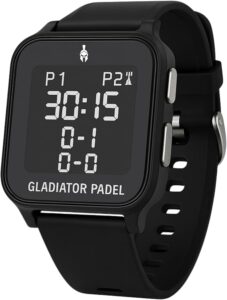
Score Keeper Watch for Pickleball Digital Wristwatch with Alarm, Stopwatch & Clock | Water Resistant, Lightweight & Easy The coach who keeps looking at their watch during your lesson, like they can’t wait to be done.
-
The one who doesn’t show any genuine interest in you or your goals, your level, your progress. Ugh! What’s your last name? Where you are from?
-
Coaches who are just there for the money, not because they love teaching. They never smile, and look like they are irritated at you for being there. Whoa! I was at a clinic where a student said something about being bored with the drill we were doing, and the coach went off on her. He yelled for a good 5 minutes, about how it was his class and no one was going to tell him what to do…yada yada yada. It was awkward for the rest of us. Yikes! I made a mental note, that I would never do that to one of my students. And one day, that happened. I had a clinic and one of the students said she didn’t like the drill we were working on, and could we do something else? I said, “Sure!” and moved onto another drill. Everyone was happy. Hey, it’s their clinic and if they don’t like something or want to do something else, I don’t bat an eye. I happily move on.

-
The coach who yells, disrespects, or makes you feel small for making mistakes. I will not do this. I will not do this. I will not do this. I have slipped up and done this and I have repented. I will not do this again.
-
I’ve even seen coaches take phone calls while their student is paying for private time! This soooo bugs me. Unless it’s an emergency, don’t take the call. However, if a student gets a call and wants to answer, I have no problem with that. Also, the dang Apple watches where people stop in the middle of a lesson to read the text. Really??? That important? Concentrate of the lesson instead.
-
Or the classic: you sign up for a private lesson, but when you show up, the coach’s cousin or buddy is on the court too, suddenly turning your private into a semi-private. Not a good move. Shows disrespect for the student that signed up for a private lesson.
-
Some coaches will stop abruptly the second the hour is up, even if you’re in the middle of learning something important. Buzzz. Their alarm goes off on their phones, Okay, lesson is over. Where’s the money? Very unprofessional. If things are going good, I’ll give them a 1/2 hour more. I want to make sure they are satisfied with the lesson. When I was a beginner, I took a lesson and the coach watched their time the entire lesson, and as soon as the hour was over, they were out of there.
-
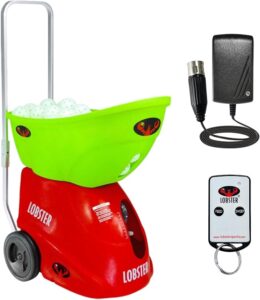
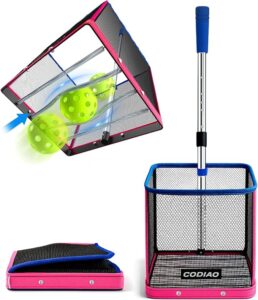
And this one. The coach who makes you pick up every ball while they stand there watching you. Oh my gosh, this actually happens more time than you think, especially if they are using a ball machine, blasting balls at the student until the machine runs out of balls. I call this lazy coaching. Then they make the student/students pick up the balls which takes up a lot of valuable lesson time. If you are an adult especially a senior, this is unusual punishment. Picking up 50 balls while the coach sits on the bench looking at their phone. No thank you! Half of your lesson should not be picking up balls.
These are all signs of someone who isn’t fully invested in you.
A great coach does the opposite. They show up early, prepared, and fully focused. They take time to get to know you — your strengths, weaknesses, and goals. They don’t just bark orders; they encourage, explain, and guide. They give you their full attention and energy, and they genuinely care about your progress.
Most importantly, a good coach makes learning fun. You leave the court feeling encouraged, motivated, and excited to play again.
If you ever run into a coach who makes you feel like an afterthought, trust your gut — you deserve better. Pickleball is too great a game to waste on bad coaching experiences.
What Makes a Great Pickleball Coach?
Pickleball is growing at a rapid pace, and with that growth comes a surge of new players eager to learn. While anyone can hit a few balls and explain the rules, being a truly great pickleball coach takes more than just skill on the court. It’s about leadership, communication, passion, and creating an environment where players can grow.
1. Strong Fundamentals & Knowledge
A great coach has a solid understanding of the game — not just the rules, but strategies, shot selection, footwork, and court positioning. They stay current on evolving techniques and tournament trends, and they can break down complex plays into simple, actionable steps. Players trust a coach who can not only perform but explain why each shot or movement matters.
2. Clear Communication
Even the best drills are useless if they aren’t communicated well. Great coaches know how to explain things clearly and concisely, adapting their language to match the level of the student. Beginners need simple, encouraging guidance, while advanced players might benefit from more tactical, detailed feedback.
3. Patience & Positivity
Learning pickleball can be both exciting and frustrating. A great coach understands that mistakes are part of the journey. They stay patient, positive, and encouraging, helping students build confidence at their own pace. This supportive environment keeps players motivated and coming back.
4. Personalized Coaching
No two players are alike. A strong coach observes each player’s strengths, weaknesses, and learning styles, then tailors drills and strategies accordingly. Whether it’s refining a serve, improving footwork, or building doubles teamwork, personalization helps players improve faster.
5. Passion & Energy
Great coaches bring enthusiasm to every session. Their love for the game is contagious. When players see their coach having fun and genuinely caring about their progress, they feed off that energy. Passion turns a lesson into an experience.
6. Leadership & Role Modeling
Lastly, great pickleball coaches lead by example. They model sportsmanship, respect, punctuality, and dedication.
A great pickleball coach blends technical skill with human connection. They don’t just teach shots — they build confidence, community, and love for the game. And that’s what keeps players learning and thriving. I major in all the above. I share the love of the game and inspire people to get out and play. But, I’m not the only coach out there. I know a lot of great coaches. See who works best for you, and take some lessons to improve your game.
Thanks for reading,
Pickleball Terry
 Christmas is coming and to help you pick the perfect pickleball gifts, I have put together my favorite things.