
So, You’re Playing in The US Pickleball Open: What You Should Know

Headline for What You Should Know About Playing in The US Open

So you’re going to the US Pickleball Open. Here’s what you should know.
By Pickleball Terry

If you’re heading to Naples, Florida this April, congratulations—you’ve scored a seat at the most electric event in the sport. The 2026 Franklin US Open Pickleball Championships (April 11–18) isn’t just a tournament; it’s a milestone. This year marks a decade of dinks, and the 10th-anniversary celebration promises to be the biggest yet.

Whether you’re a first-timer or a seasoned “Naples Veteran,” here is the ultimate guide to navigating the 2026 Open.The US Pickleball Open
1. The Basics: When and Where

  • Dates: April 11 – April 18, 2026.

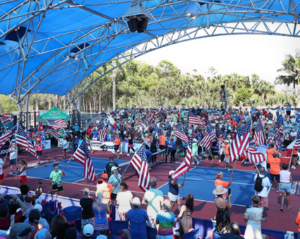
  • Location: East Naples Community Park (The USOP National Pickleball Center). 3500 Thomasson Dr, Naples, FL 34112

  • The Vibe: Expect over 3,000 athletes and 50,000+ fans. It’s high-energy, high-humidity, and purely addictive.

2. US Open PickleballTickets: The “Free” Secret
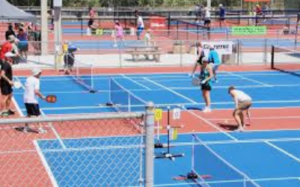
Most people think they need a ticket just to enter. You don’t. * Grounds Access is FREE: You can wander the expo, enjoy the food trucks, and watch pro and amateur matches on 59 of the 60 courts without paying a dime.

  • Championship Court: Tickets are only required for the Zing Zang Championship Court. These are usually handled via a lottery months in advance, but check the on-site ticket booth early in the morning for any last-minute “no-show” re-sales ($5 surcharge usually applies).

3. Survival Logistics: Parking & Heat

Naples in April is beautiful, but it can be brutal. Good news is that this is in early April so you might luck out and have lower temperatures. I have played in two Opens and did not have a problem with the heat or humidity. I live in Sarasota so I have acclimated to playing in Florida weather. Players that come down from the north are usually blown away by the humidity. I have seen people hanging out in the air conditioned bathrooms just for a break. I recommend bringing a sun umbrella for shade, and a cooler full of ice and water. Ice will hydrate you and the ice will cool you off. I will take a scarf and soak it in the ice water, wring it out and wear around my neck. Instant cooling.

  • Parking is Cashless: It costs $10/day or $60 for a weekly pass. Park at the onsite lot or the Sugden Park overflow lot. Don’t stress the walk; there are complimentary shuttles. No cash this year. Bring your credit card.

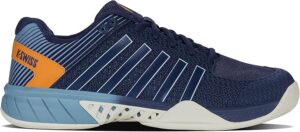
  • K-Swiss Men's Express Light Pickleball Shoe
    K-Swiss Men’s Express Light Pickleball Shoe Click Here

    Hydration is Non-Negotiable: The “Naples Humidifier” is real. Bring a refillable water bottle (glass isn’t allowed). The grounds have hydration stations and “mister” tents—use them before you think you need them. There is a couple of places to find relief from the sun. Inside the big tent where they have the T-shirts and paddles for sale.

  • The “Pro” Kit: Pack extra socks and shirts. By noon, you’ll likely want a fresh change. I see lots of changes during the day. Swamp feet is real.

    4. What to Bring 

  • Bring: A portable chair (bleachers fill up fast), a hat/umbrella for personal shade, and a credit card (the event is largely cashless).

  • Leave: Your glass bottles and outside alcohol. Also, while dogs are welcome on leashes in the park, they aren’t allowed inside the Championship Court area.

5. Pro-Tip: The Schedule Highlights

If you only have a few days, here’s how to prioritize and just want to be a spectator:

  • The First Weekend (April 11-12): Focuses on the Junior Championships and pro clinics. It’s great for families.

  • Friday, April 17: This is “Semifinal Friday.” The intensity is off the charts as pros battle for a spot in the finals.

  • Championship Saturday, April 18: The grand finale. This is where legends are made on the Zing Zang court.

6. Enjoy the “Party”

Between matches, head over to the Lightstrike Patio. There’s live music every afternoon, great food, and the “Expo Tent” is the best place on earth to test-drive new paddles or snag 10th-anniversary limited edition gear.
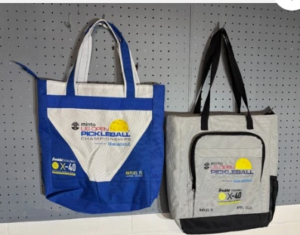
For a player, the “check-in” process at the US Open has evolved significantly for the 10th Anniversary in 2026. Gone are the days of standing in long lines every single morning.

The Athlete’s Guide: Nailing the Check-In

If you’re competing, your morning routine is the difference between a focused gold-medal run and a frantic, stressful start. Here is how to handle the “digital-first” check-in process for 2026.

  • Pick up early: Head to the Athlete Check-In Desk at the USOP National Pickleball Center as soon as you arrive in Naples (even if it’s the day before your event). Buy T-shirts and hats as souvenirs because they well out early.
  • The Swag Bag: This is where you’ll grab your official 10th-anniversary player shirt and gear. Doing this a day early saves you from carrying a heavy bag around right before your first match.Us Pickleball Open Swag Bags

1. The “Auto Check-In” Revolution

For the 10th anniversary, the US Open has moved to automatic check-in through the Pickleball Den software.

  • No Daily Desk Visit: You no longer need to visit the physical check-in desk every morning to tell them you’re there.

  • How it works: As long as you are registered and paid, the system assumes you are ready to play. You just need to be physically present at the park and watching your phone.

2. The Physical Logistics (Credentials & Swag)

While daily check-in is digital, you still need your physical “Athlete Credential” to access player-only areas.

3. Mastering the “Den”

Pickleball Den is your lifeline. Make sure you have the following set up 48 hours before your first serve:

  • Text Alerts: Double-check that your cell number is correct in your profile. You will receive a text the moment your bracket starts and another when you have a Court Assignment. Once you get texted you have 10 minutes to get to your assigned court. There you warm up until the referee tells you to start. He/she gives you the basics, has one of the players pick a number 1 or 2, and the winner picks if they are going to serve first or the other team is going to serve first, OR, the pick a side they want to play on to start. If you have sun in your eyes, I recommend starting on the side with the sun at your back and try to get as many points as you can before you switch at six. You do get two times out. This year you MUST say TIME OUT before you leave the court. Players used to walk off before the opponents knew what was happening.  Oh, and don’t expect to have your court near the last one you played in. Hours later, you will be notified to play in a court that is way on the other side of the property.

  • The “En-Court” Button: Once your match is called, you’ll use the “En-Court Now” button in the app. This is how you see your opponents’ details and the specific court number.

4. The Paddle “Trap”

Don’t let a “failed” check-in happen at the court.

  • Approved List Only: For 2026, the US Open is strictly enforcing the USA Pickleball Approved Paddle List.

  • The Pro Tip: Referees may ask you to show a screenshot of your paddle on the approved list if it’s a newer or rare model. Have that screenshot ready in a “Pickleball” photo album on your phone to avoid a delay (or a forfeit).

5. Warm-Up Strategy

With 60 courts, you’d think there’s plenty of room, but warm-up space is a premium. It stinks because I like to play a few warm-up games before I play. Warning! There is a lot of down time meaning sitting on your butt waiting for your next game. This gives you time to walk around, watch your friends play, or shop in the tent. Food is available in a couple of food trucks and there is  barbecue chicken for sale in the tent, too.

  • The “Plexi” Courts: Most matches are played on the permanent asphalt/plexicushion courts. If you can, arrive 90 minutes early to snag a few dinks on the peripheral courts before they are locked down for tournament play. Good luck getting one.

  • Check the Monitor: There are giant LED “Flight Boards” near the vendor village showing live match progress. If you see your bracket is “On Deck,” stop what you’re doing and head toward your court cluster.


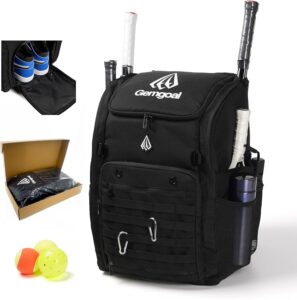
Gemgoal Pro Tournament 52L Pickleball Bag Ultimate Organization Holds 4-10 Paddles for 2 Players,Includes Ventilated Shoe Compartment,Separate Wet Dry...
Gemgoal Pro Tournament 52L Pickleball Bag Ultimate Organization Holds 4-10 Paddles for 2 Players,Includes Ventilated Shoe Compartment,Separate Wet Dry…CLICK HERE

Tournament days in Naples are marathons, not sprints. If you forget these, you aren’t just uncomfortable—you’re at a competitive disadvantage.

1. The Gear Essentials

  • Primary & Backup Paddle: Both must be on the USA Pickleball Approved list.

  • 2026 Rule Alert: Referees are performing more “spot checks.” If your primary paddle face delaminates or the grit wears down, you need a legal backup ready to go instantly.
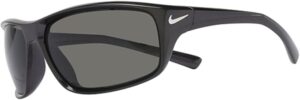
  • Sunglasses. Oh my goodness, yes! Good ones with UAV protection.

    Nike Mens Adrenaline Sunglasses
    Nike Mens Adrenaline Sunglasses Click Here
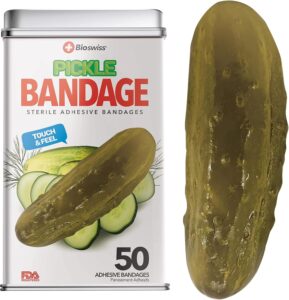
  • ♦Bandages: Between games, check for blisters.

    https://amzn.to/4sfkLIC
    Click Here
  • ♦Benadryl in case you get a bug bite.
  • ♦Advil or something like it for pain relief.

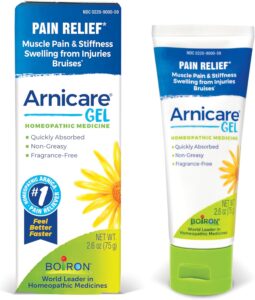
  • ♦Arnica gel in case you get hit by a ball.

  • https://amzn.to/3ODZUAl
    Click here

    WARNING! The “Visible Ball” Rule Fix: Under the new 2026 Rules (Rule 4.2), carrying a second ball in your pocket is a fault if it is visible to your opponent. If you like to keep a spare, ensure your pockets are deep enough to hide it completely, or leave it at the fence.

2. The Naples “Anti-Humidity” Kit

  • 4–5 Pairs of Performance Socks: The humidity makes your feet sweat faster than you’d believe. Changing your socks between every match prevents “trench foot” and keeps your movement sharp.

  • Towel or Extra Grips: In the Florida heat, your handle will become a slip-and-slide. Bring a towel or two to wipe off the sweat. An extra grip in case you need one.

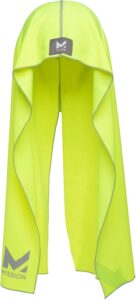
  • Cooling Towel: Keep one in your cooler on ice. Drape it over your neck during changeovers to instantly drop your core temperature.

    Mission cooling towel green
    Cooling towel

3. Nutrition & Fuel (Very important)

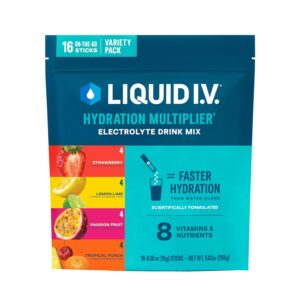
  • Electrolyte Heavy-Hitters: Water isn’t enough. Bring salt tabs, liquid IV, or magnesium supplements. Start “pre-hydrating” 24 hours before your first match.  Continue to hydrate all day long. There are places to fill up your water bottles around the courts. I have seen an ambulance take a couple of people away because they became over heated. Take care to actively keep yourself cool with ice and drink your water or juices.

    Liquid I.V.® Hydration Multiplier - Variety Pack - Lemon Lime, Passion Fruit, Strawberry, Tropical Punch | Electrolyte Powder Drink Mix | 1 Pack (16 Servings)
    Liquid I.V.® Hydration Multiplier – Variety Pack – Lemon Lime, Passion Fruit, Strawberry, Tropical Punch | Electrolyte Powder Drink Mix | 1 Pack (16 Servings) Click Here
  • “Quick-Burn” Snacks: Bananas, dates, or energy chews. Avoid heavy proteins right before play; your body needs its blood flow in your legs, not your stomach.

  • Mustard Packets or Pickle Juice: The “Naples Legacy” item. If you feel a cramp coming on, these are the emergency “shut-off” switches for your muscles.

  • Sunscreen (The “Face Stick” kind): Creamy sunscreens on your forehead will run into your eyes the moment you start sweating. Use a wax-based “stick” for your face and brow, or don’t apply to your forehead. Sunscreen on legs and arms is important also.

4. The “Mental Game” Misc

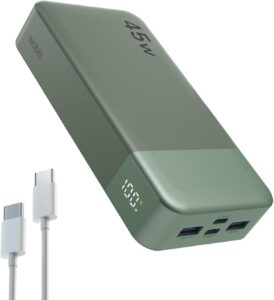
  • Portable Power Bank: Since match calls come via text in 2026, a dead phone = a forfeited match. Keep your lifeline charged.

    NOBIS Portable Charger, 20000mAh Power Bank, 45W Power Bank Fast Charging, Battery Pack with C to C Cable, Battery Bank with Digital Display
    NOBIS Portable Charger, 20000mAh Power Bank, 45W Power Bank Fast Charging, Battery Pack with C to C Cable, Battery Bank with Digital Display Click Here
  • And sometimes there is rain. Be prepared to have games delayed and even postponed for another day. I know people who took the day off from work to play in the Open but when there division was postponed to the next day, they had to go back to work and couldn’t play. Nor did they get their money refunded. These things will happen.

I live in Sarasota and did stay in Naples to play. It was a blast staying at a motel with other pickleball players. Do I recommend playing in the US Open? Absolutely! What a great experience.

If you want to have another wonderful experience where you play pickleball everyday and go on adventures, then check out my next pickleball trip to Costa Rica this December 14-21, 2026. This my second time leading pickleball lovers to an amazing pickleball resort in beautiful Costa Rica. Go to Pickleballandcostarica.com. Or email me at pickleballterry@sarasotapickleball.com.


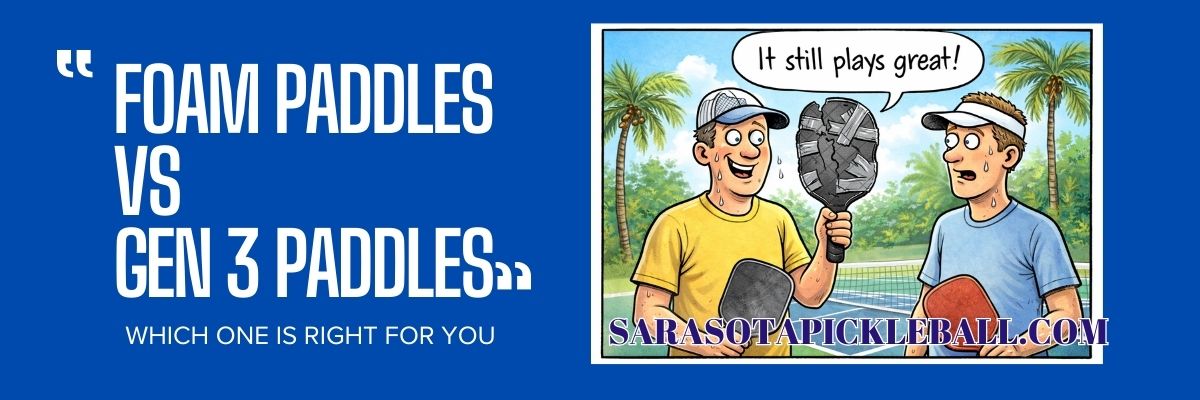
Foam Pickleball Paddles: What Players Need to Know About the Newest Paddle Trend

Foam Pickleball Paddles: What Players Need to Know About the Newest Paddle Trend

If you’ve been hearing more chatter about foam pickleball paddles, there’s a good reason. This new paddle technology is quickly gaining traction with recreational players, competitive amateurs, and even pros who are looking for more consistency, comfort, and long-term durability.

Traditional pickleball paddles use a polymer honeycomb core. While that design has worked well for years, many players have experienced “core crush” — a breakdown of the internal structure that leads to dead spots, unpredictable power, and reduced control over time. Foam paddles are designed to solve that problem.

Foam paddles use a high-density foam core instead of hollow cells. The result is a more solid interior that holds its shape longer and delivers consistent performance match after match. For players, that means the paddle you love on day one should feel very similar months down the road.

One of the biggest benefits players notice immediately is improved feel and control. Foam absorbs vibration extremely well, which creates a softer response on contact. Dinks feel more controlled, resets sit better in the kitchen, and mishits are more forgiving. Players dealing with tennis elbow or arm fatigue may especially appreciate the reduced shock.

Another advantage is the expanded sweet spot. Because foam distributes energy more evenly across the face, shots hit slightly off-center still travel cleanly. This is a big win for players working on consistency or transitioning into faster, higher-level play.

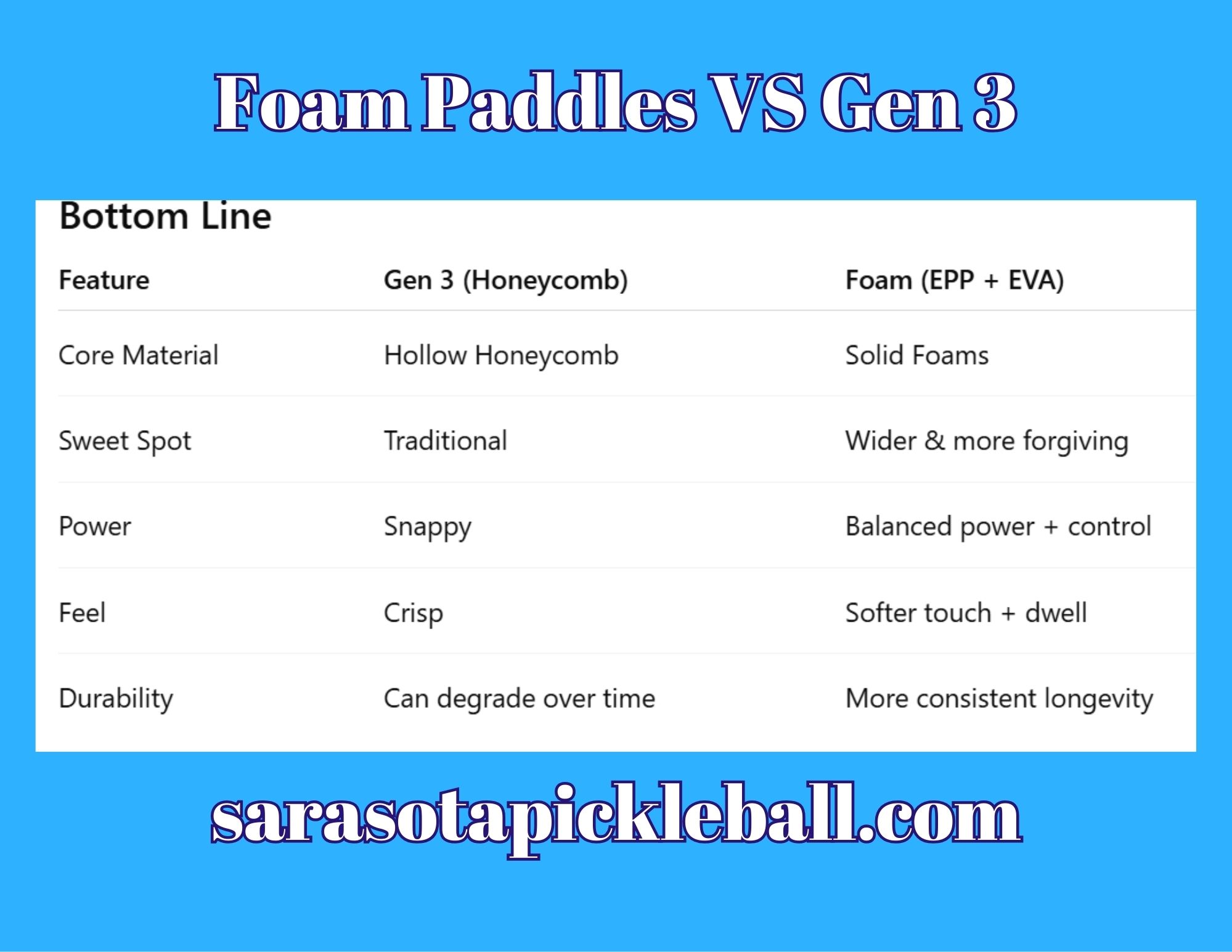
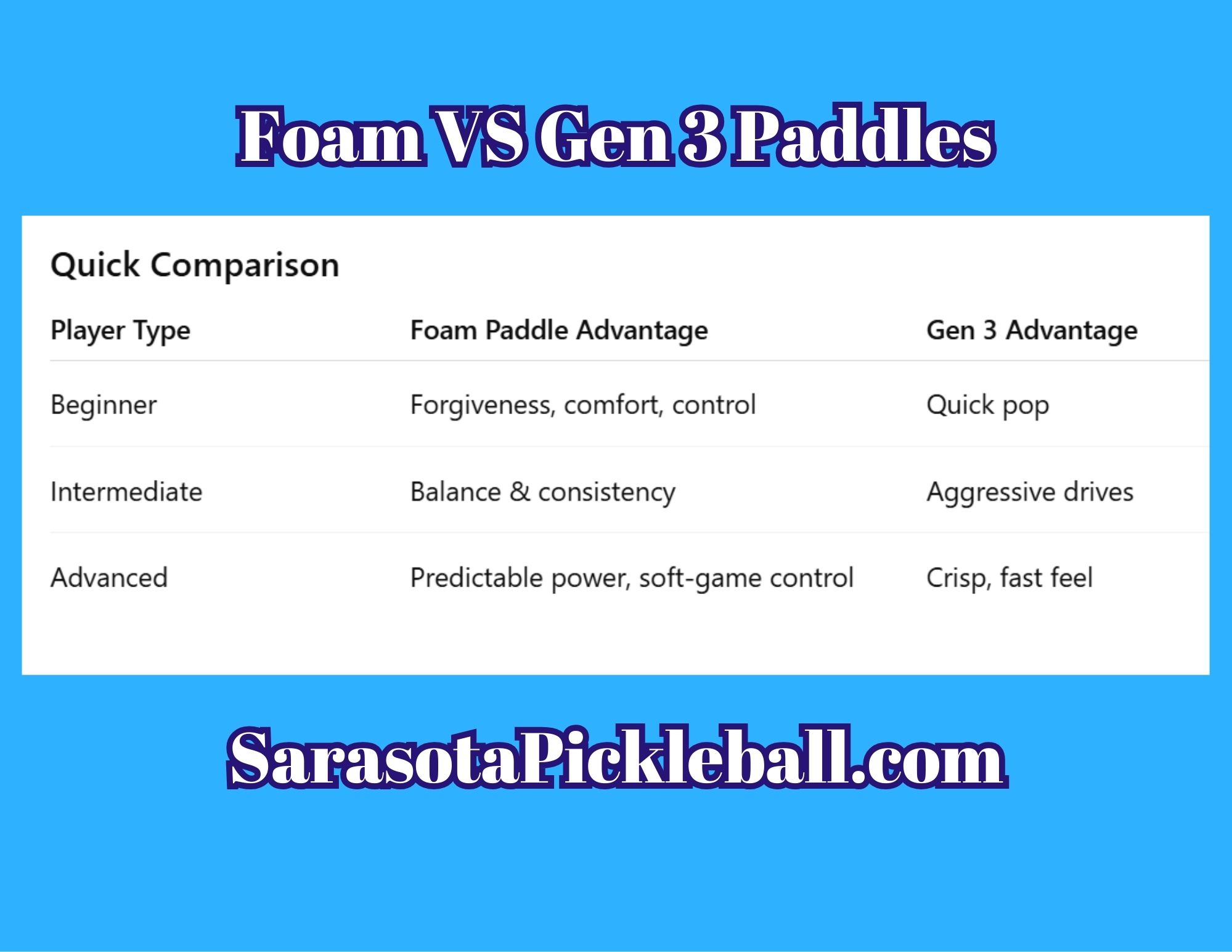
Power players won’t feel left out either. When paired with carbon fiber or textured faces, foam paddles can still generate plenty of pop and spin. The difference is that the power feels more controlled instead of explosive and unpredictable.chart of foam vs Gen 3 paddles

There are currently two main styles on the market:

  • Full foam paddles, which use foam throughout the entire core
  • Foam-enhanced paddles, which blend foam with traditional materials for added stability

So, who should consider switching? Players who value control, touch, durability, and comfort are excellent candidates. Foam paddles may feel slightly different at first, but many players adjust quickly — and don’t want to go back.

As paddle technology continues to evolve, foam paddles are shaping up to be one of the most meaningful upgrades the sport has seen. If consistency and feel matter to your game, foam might be worth a serious look.

EPP Foam Core vs EVA Foam: What’s the Real Difference?

EPP Foam (Expanded Polypropylene)

Think: structure, power, durability

What it is:
EPP is a rigid, resilient foam that rebounds quickly and resists permanent compression.

How it plays:

  • Produces more pop and power
  • Feels firmer at contact
  • Returns energy quickly to the ball
  • Maintains performance over time (less “break-in” change)

Why brands use it:

  • Excellent structural integrity
  • Very durable — resists core crush
  • Holds its shape after thousands of hits

Where it’s usually placed:

  • Center of the paddle core
  • Anywhere power and stability are neededFoam vs Gen 3 paddles chart

Best for players who:

  • Drive the ball
  • Play aggressive baseline or transition game
  • Want consistency over the life of the paddle

EVA Foam (Ethylene Vinyl Acetate)

Think: softness, control, dwell time

What it is:
EVA is a softer, more flexible foam commonly used in shoe midsoles and vibration dampening.

How it plays:

  • Feels plusher and quieter
  • Absorbs vibration
  • Softens mishits

Why brands use it:

  • Improves touch and control
  • Expands the sweet spot
  • Reduces arm fatigue

Where it’s usually placed:

  • Edges of the paddle
  • Around the perimeter or sidewalls
  • Rarely used alone as a full core

Best for players who:

  • Value dinks, drops, and resets
  • Want forgiveness on off-center hits
  • Deal with elbow or wrist issues

Why Many Paddles Use Both

The newest designs combine EPP + EVA to get the best of both worlds:

  • EPP in the center → power, structure, durability
  • EVA on the edges → softness, control, forgiveness

This dual-foam approach creates a paddle that feels explosive when you swing hard, but controlled and stable in the soft game.


Foam vs Gen 3 Pickleball Paddle: Quick Decision Checklist

Choose a FOAM Paddle if…

☐ You want a larger sweet spot
☐ You value control and touch over raw pop
☐ You struggle with off-center hits
☐ You play a strong soft game (dinks, drops, resets)
☐ You want consistent performance over time
☐ You prefer a quieter, softer feel
☐ You experience arm or elbow discomfort
☐ You want more forgiveness in fast-hand battles
☐ You like a paddle that feels stable at the edges

Best for:

  • Beginners
  • Control-focused intermediates
  • Players who build power through mechanics
  • Players prioritizing consistency and durability

 Choose a GEN 3 Paddle if…

☐ You like instant pop and quick rebound
☐ You play an aggressive power game
☐ You prefer a crisp, connected feel
☐ You generate pace with short swings
☐ You like a paddle that feels lively and fast
☐ You don’t mind a smaller sweet spot
☐ You frequently counterattack at the net
☐ You’ve used honeycomb paddles for years

Best for:

  • Advanced players
  • Power-first players
  • Fast hands & counter specialists
  • Players who like immediate feedback

🔍 Still Not Sure? Ask Yourself These 5 Questions

  1. Do I miss-hit often under pressure? → Foam
  2. Do I rely on pop more than placement? → Gen 3
  3. Do I want the paddle to feel the same all season? → Foam
  4. Do I want maximum speed off the face? → Gen 3
  5. Do I prioritize resets and drops? → Foam

Pickleball Terry’s Bottom Line

There’s no “better” paddle — only a better match for your game.

  • Foam paddles reward patience, control, and consistency.
  • Gen 3 paddles reward speed, aggression, and quick hands.

The best paddle is the one that lets you play confidently when points matter.

Sarasotapickleball.com

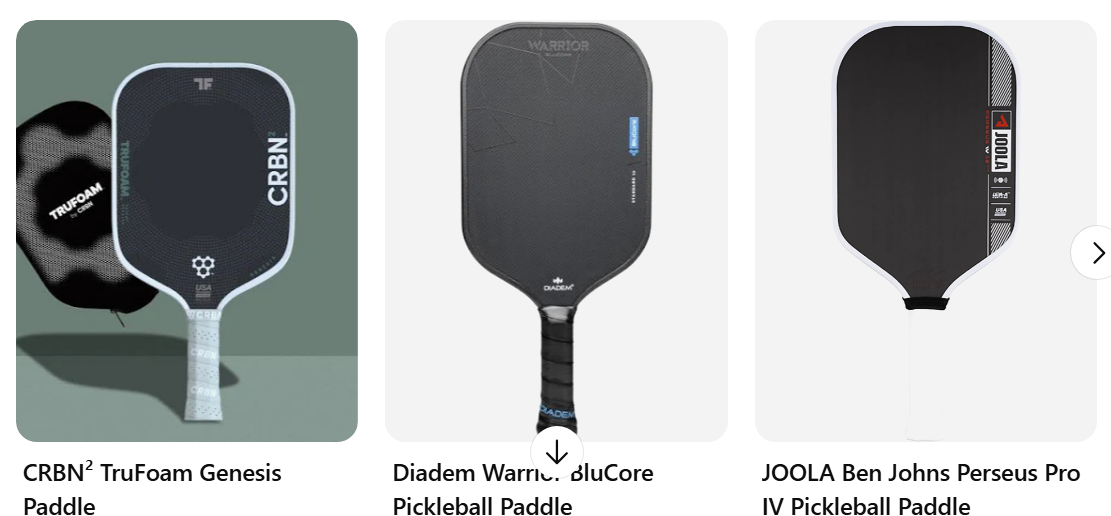
CRBN Pickleball – TruFoam Waves Paddle – Carbon Fiber Pickleball Paddle – 100% Foam Core Designed for Maximum Power, 14mm

Diadem Edge BluCore Pro Pickleball Paddle | Ultimate Power, Spin & Consistency, Extended Reach, Premium 18K Carbon Fiber, PowerSync Foam Core | USAPA Approved

JOOLA Ben Johns CAS Perseus or Hyperion 16mm Carbon Fiber Pickleball Paddle – CAS Surface Tech – Control & Power Paddle – USAP Approved – Aero Curve – Feel-Tec Pure Grip – NFC Chip


Thanks for reading!
Pickleball Terry

The Difference in Balls in Pickleball

The difference in pickleballs

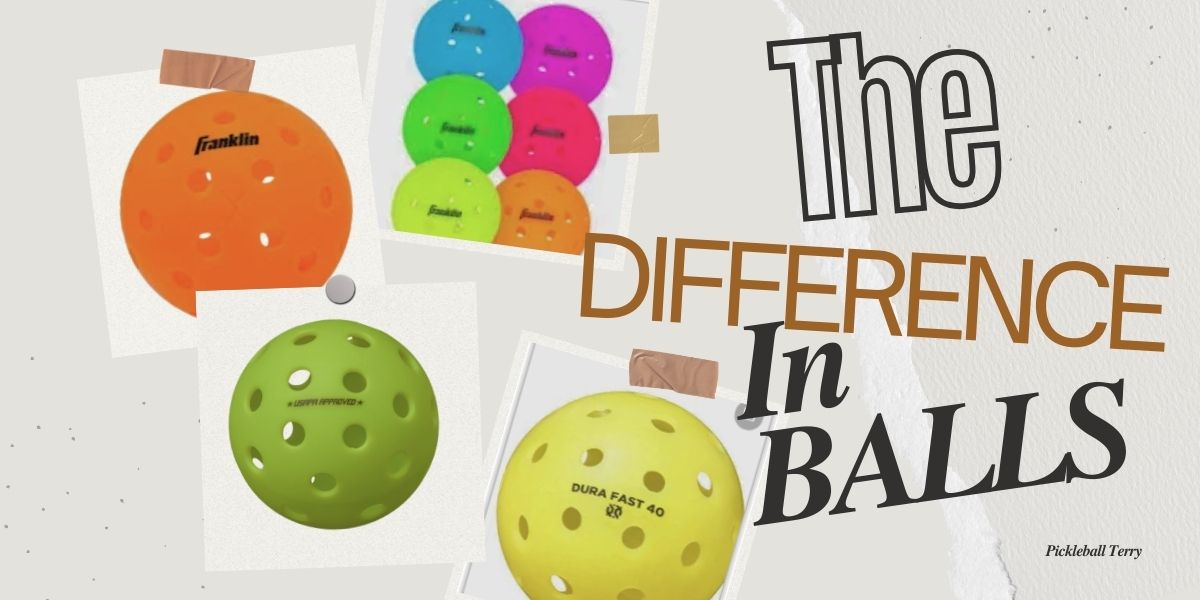
Ball wars do happen. What do I mean by “ball wars”? These are disagreements that occur on pickleball courts over the type of balls being used. Some players prefer the Franklin ball, while others favor the Dura 40. Additionally, some players prefer the orange ball, while others insist on using only the green one. I’m referring specifically to outdoor balls, which are harder and have 40 small holes. In contrast, indoor balls have 26 holes, are softer, and are designed for gym floors, making them slower than outdoor balls. I’ve seen players switch balls mid-game, provoking their opponents when they discover that the ball they wanted to use is missing.
Man thinking about whick pickleball to use

Pickleball may be simple to learn, but choosing the right equipment can make a big difference in your performance—especially when it comes to outdoor pickleballs. Unlike their indoor counterparts, outdoor balls are designed to handle wind, rougher surfaces, and the elements. But not all outdoor balls are created equal.

Let’s dive into the different types of outdoor pickleballs, what sets them apart, and how to choose the right one for your game.


https://amzn.to/4cpbOWh

CLICK HERE FOR PRICE
Key Features of Outdoor Pickleballs

Outdoor pickleballs:

  • Have smaller, more numerous holes than indoor balls (usually 40 holes).

  • Are heavier and harder to cut through wind resistance.

  • Bounce lower and travel faster than indoor balls.

  • Tend to wear out faster due to the rougher court surfaces and impact.

With that in mind, here are the most popular types of outdoor pickleballs and what makes each one unique.

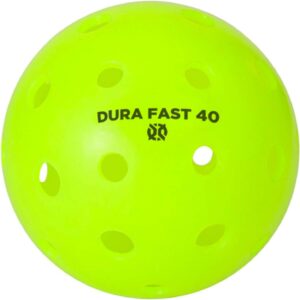
dura 40 pickleballCLICK HERE TO SEE PRICE


1. Dura Fast 40

Best for: Tournament play and experienced players

  • Feel: Hard and fast, offering consistent bounce and true flight.

  • Durability: Known to crack sooner than others, but widely used in official tournaments.

  • Playability: Favored by pros for its speed and precision.

Fun fact: The Dura 40 is the official ball of many major tournaments, including the USA Pickleball National Championships.


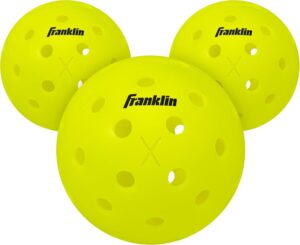
Franklin 40 for pickleball
For price click on pictures

2. Franklin X-40

Best for: All-around players and clubs

  • Feel: Slightly softer than the Dura, but still fast and responsive.

  • Durability: More durable than the Dura, especially in hot weather.

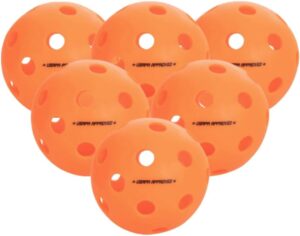
  • PlayOnix Fuse outdoor pickleballs in orangeClick here for price

  • 3. Onix Fuse G2

Best for: Beginners and intermediate players

  • Feel: Softer and quieter with a slightly higher bounce.

  • Durability: Highly durable and less prone to cracking.

  • Playability: Easier to control, making it great for learning and casual play.

The Fuse G2 is a comfortable option for players transitioning from indoor to outdoor play.


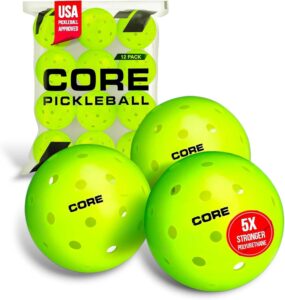
Core pickleballs in greenCLICK HERE FOR PRICE
4. CORE Outdoor Pickleballs

Best for: Durability and value

  • Feel: Similar to Franklin, but with a slightly firmer touch.

  • Durability: Designed to withstand high impact and rough surfaces.

  • Playability: Consistent bounce and good visibility, especially in yellow or neon.

CORE balls are growing in popularity due to their balance between pro-level performance and long-lasting play.


Anna Leigh Waters cheering

Choosing the Right Outdoor Pickleball

When selecting a ball, consider:

  • Your skill level: Beginners may prefer softer, slower balls for easier control.

  • Playing conditions: Harder balls perform better in windy conditions.

  • Frequency of play: If you play often, look for a ball with a reputation for durability.

  • Tournament rules: If you’re playing competitively, check which balls are USAPA-approved.


The best outdoor pickleball for you depends on your goals and playing environment. Whether you’re a weekend warrior or aiming for tournament gold, experimenting with a few types is the best way to find your match. Remember—your paddle and your strategy matter, but so does your ball.

 🇺🇸 Made in USA Pickleball Gear

Support American-made quality with this curated gear guide

Comparison Chart

Brand Product Type Made in USA? Notes
Selkirk Sport Paddles ✅ Yes Premium paddles made in Idaho. Trusted by pros.
Paddletek Paddles ✅ Yes Made in Michigan. Great for control and feel.
Engage Paddles ✅ Yes Designed and produced in Florida.
GAMMA Sports Paddles ✅ Mostly Innovative tech; made in Pittsburgh.
Franklin Balls ❌ No Manufactured in China.
Dura Balls ❌ No Formerly USA-made, now produced in China.
Onix Balls & Paddles ❌ No Designed in the US, made overseas.
American Giant Apparel ✅ Yes Durable athleticwear, made entirely in the USA.
Locale Pickleball Co. Apparel ✅ Some items Small brand. Check tags for origin.

And then there are indoor balls

🏠 What Makes Indoor Pickleballs Different?

Indoor pickleballs are built specifically for smoother, hard court surfaces with no wind or weather interference. Here’s how they stand out:

Key Features:

  • Fewer holes: Usually 26 larger holes (vs. 40 smaller ones in outdoor balls)

  • Softer plastic: Makes for slower play and better control

  • Quieter: Less noise during rallies—great for gyms and shared spaces

  • Higher bounce: Helps compensate for slicker surfaces


🔵 Top Indoor Pickleballs (and How They Compare)

1. Jugs Indoor Pickleballs

  • Feel: Soft and lightweight

  • Bounce: Higher than most—great for slower indoor courts

  • Durability: Very durable; holds up well on hardwood and tile floors

  • Best for: Beginners, casual play, and schools

📝 Note: Jugs are not USAPA approved for tournament play—but they’re a fan favorite for recreational use.


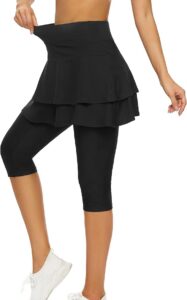
I love this skirt with leggings. So soft and nice high waist. Wish it came in more colors.

black tennis skirt with ruffles and leggins.

CICK HERE FOR PRICE

2. Onix Fuse Indoor Pickleballs

  • Feel: Slightly firmer than Jugs

  • Bounce: Consistent with a smooth feel

  • Durability: Excellent; designed for extended indoor use

  • Best for: Competitive recreational players, clubs, and training

📝 The Onix Fuse Indoor ball is USAPA-approved, which makes it a solid pick for league play.


3. Franklin X-26 Indoor Pickleballs

  • Feel: Very balanced—between soft and firm

  • Bounce: Consistent, slightly lower than Jugs

  • Durability: Good; may crack over time with heavy use

  • Best for: Players who like a bit more control and quieter hits

📝 Great for controlled rallies and technical play indoors.


4. CORE Indoor Pickleballs

  • Feel: Firm and responsive

  • Bounce: Consistent and slightly livelier

  • Durability: Designed for high-usage environments like rec centers

  • Best for: Players transitioning from outdoor to indoor

📝 A newer player in the market, but gaining popularity quickly.


⚖️ Indoor Ball Comparison Chart

Brand Holes USAPA Approved? Bounce Durability Best For
Jugs 26 ❌ No High High Beginners, schools, rec play
Onix Fuse 26 ✅ Yes Medium Very High Clubs, leagues, consistent play
Franklin X-26 26 ✅ Yes Medium Moderate Technical/control players
CORE 26 ✅ Yes Medium-High High Versatile indoor players

🎯 How to Choose the Right Indoor Pickleball

  • New to the game? Try Jugs—they’re forgiving and fun to play with.

  • Want tournament-ready play? Onix Fuse or Franklin X-26 are safe bets.

  • Looking for all-around durability? CORE Indoor or Onix Fuse are your go-tos.

So there you go. I remember the days when we were just happy to have a jug ball, but times have changed, pickleball has advanced, and so have the players.

Keep playing pickleball.

Thanks for reading,
Terry Ryan
A.K.A. Pickleball Terry

  • © 2025 Sarasota Pickleball Organization | All rights reserved


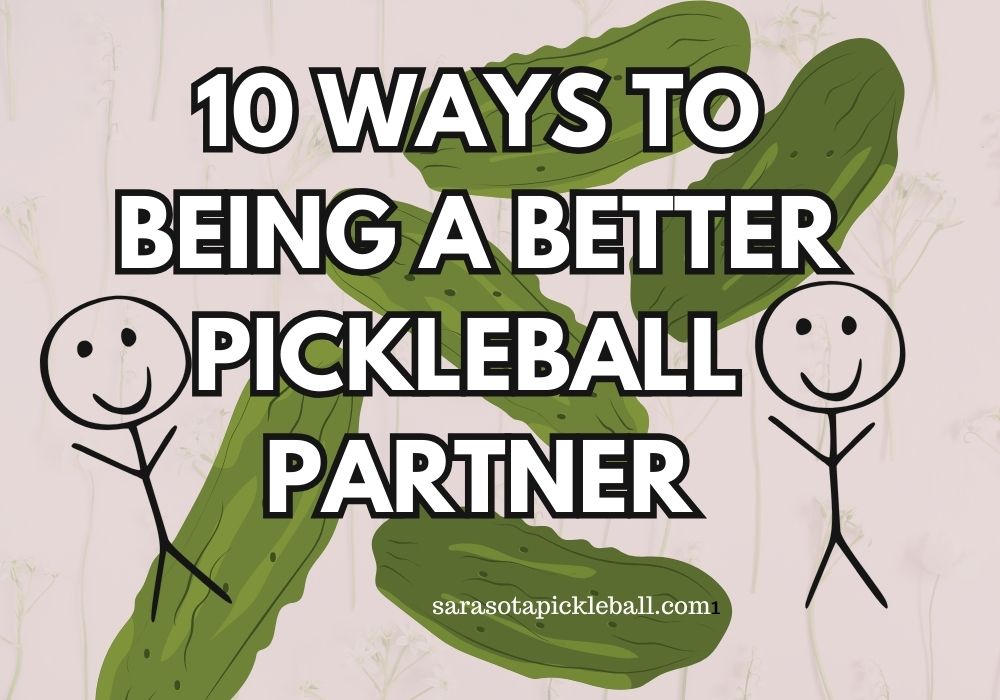
10 Ways to being a better pickleball partner

10 ways to being a better pickleball partner
By Pickleball Terry
10 Ways to Be the Pickleball Partner Everyone Wants

Let’s face it—pickleball is 50% skill, 50% strategy, and 100% about not driving your partner crazy. Here are ten essential ways to be a great partner:

1. Call Your Shots… Nicely

It’s a dink, not a boxing match. Instead of yelling, “I GOT IT!” like you’re trying to scare a bear, use a calm, confident tone.  Also goes for “OUT!” (Yes, you can still call a ball OUT before it actually bounces out of bounds. It’s partner’s communication.)

2. Don’t Be a Court Hog

Nobody likes a partner who plays like it’s singles. If you’re sprinting across the court to steal every shot, you’re not impressing anyone. Instead, you’re just auditioning for the next season of Alone. Who wants to play with a court hog in rec play? Or somebody who acts like it’s a life and death situation if they don’t win the game. Don’t be that person. Let your partner play too even if they are way below everyone’s level on the court. EVEN if the opponents know your team’s weakest player and keep hitting to them. It’s rec play. Period!

3. Apologize Sparingly

chocolates to say you're sorry
Order here

Missed a shot? No problem. Apologize once and move on. If you keep saying “Sorry!” after every bad hit, your partner might start wondering if they’re playing with someone on a guilt trip. And there is this saying, “There’s no sorry in pickleball.” And this one, “Pickleball means never having to say you’re sorry.” (Okay, I’ll stop now.)

4. Be the Hype Person

Cheer them on like they just hit a winner at Wimbledon, even if the ball barely cleared the net. A good “Nice shot!” can erase a whole morning of double faults. And, hey, who doesn’t love a morale boost? Leave them with a positive experience, and wanting more. Don’t forget paddle taps between shots. Bad or good. Checking with your partner for the correct score. Smiling. No eye rolling. Giving them the silent treatment. Oh my goodness! Stop being the negative Nelly on the court. It’s just pickleball!

Applause button
Click here


5. Know the Rules
painting of a 17th century man holding a pickleball

If you’re caught camping in the kitchen, don’t argue the call or pretend you don’t know the rule. Your partner is judging you in silence while pretending it’s fine. It’s not fine. Remember the score. Keep your head in the game. Run for a loose ball. Don’t let your partner run for everyone. Know where you are supposed to stand. Be on your toes. Don’t know all these points? Take one of Pickleball Terry’s clinics. I’ll set you straight.

Childrens kitchen set
Click here

6. Communicate Like a Pro

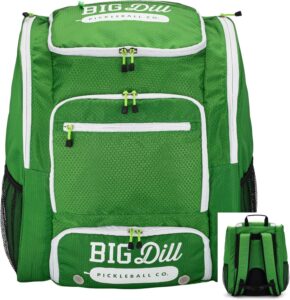
Big dill pickleball bag
Click here

Shouting “YOURS!” doesn’t cut it if both of you are already staring at the ball like it’s a UFO. Try something clearer, like, “I’ll cover the lob, and switch!” Communication saves points and friendships. I also talk to my partner about who takes the middle (forehand) before we start the game. If the person is a lefty, are we going to stack? Plus, talk tips about the opponents. Something like Jenny never comes up to the kitchen, etc.  Talking behind your paddles to each other also makes the opponents nervous.
Cat saying what did I do
7. Keep the Critiques to Yourself

Unless your partner specifically asks for advice, resist the urge to channel your inner coach. Nobody wants to hear, “You know, you should try slicing your backhand more.” Instead, focus on slicing your attitude. Unsolicited advice is not always welcomed. Here’s an email I received the other day:

My 3 grandsons and myself had the unfortunate experience of encountering “Chuck” at %&(*!@ Park, who claimed  to be 80 years old & proceeded to butt into our private games uninvited, to give us a lesson. He was not a teaching pro nor did he have useful advice to offer. 

He did not leave. We left & reported him to the office at the community center. He wanted to argue about everything, from outdoor balls vs. indoor balls, paddles, rules, etc. Is he a known persona non grata?
Don’t be that guy.

8. Dress the Part

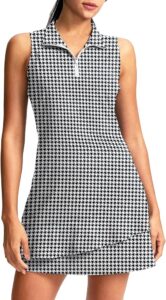
Pickleball outfit black and white checked
Click here

Pickleball is a game of finesse, so don’t roll up looking like you just rolled out of bed. You also don’t have to have matching visors and coordinated outfits? Invest in good court shoes and decent shorts. Bring a towel if you sweat a lot.

9. Ignore the Chaos

A guy yelled at your partner because your ball rolled on his court. You body-bagged a player by accident and they told you off. Some macho player keeps slamming the ball at your partner who happens to be 80 years old. Ignore! Don’t get pulled into their drama. Don’t engage. Just ignore, or if you have to, walk away. Do not embarrass your partner by getting in to a war of words. Take the high road.
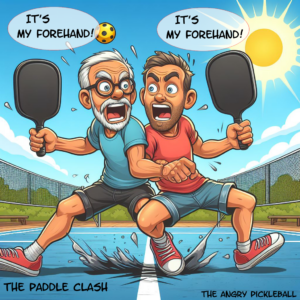
Cartoon of two men fighting over the middle of a pickleball court

10. Always Bring Extras

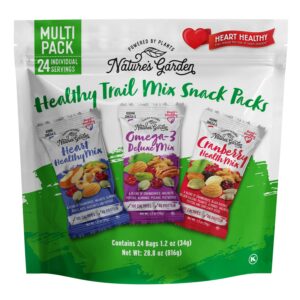
Snack packs for the pickleball courts
Click here

Be the partner who shows up with extra protein bar and water,  and you’ll achieve legend status. Granola bars, orange slices, maybe even a little pickle (because, you know… pickleball). Water, I always bring an extra water for someone who needs it. Need a ball? I’ll have one. Forget your paddle? I usually have five. Want to move my paddle down so your friend can play with you? No problem.

In Conclusion:

Being a great pickleball partner isn’t about having the fastest serves or the deepest volleys. It’s about teamwork, positivity, and not hogging the court like it’s a one-person show. So next time you hit the court, remember these tips and, above all, have fun. Be the sunshine on the courts!

Thanks for reading!

Pickleball Terry
picture of pickleball Terry

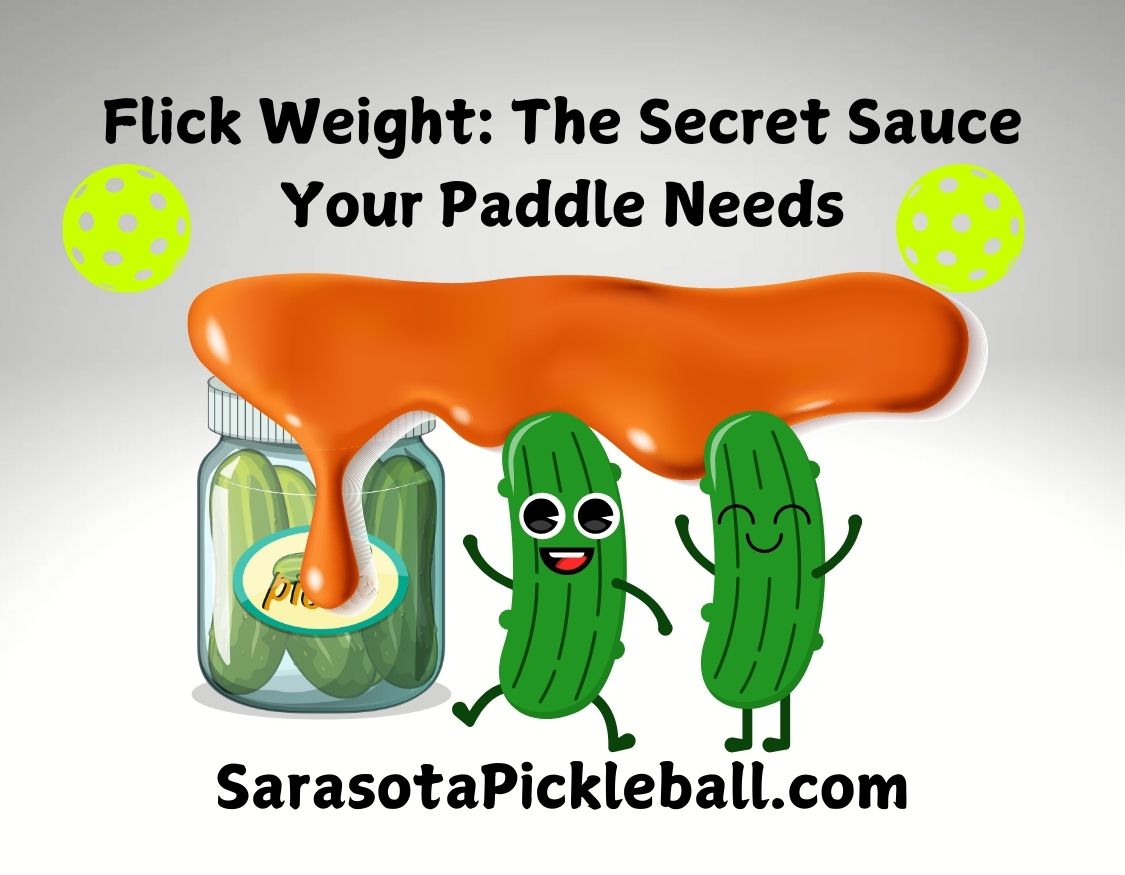
Flick Weight: The Secret Sauce Your Paddle Needs

pickle cartoons with title Flick weight the secret sauce

How long as everybody known about flick weight and why have I just heard about it? Pickleball…I learn something new everyday.

First, a new paddle company called me from North Carolina and asked if he could send me one of their paddles to try? (Of course, I said, “sure.” This Pickleball Terry thing does come with great perks.) Then he started telling me about paddle weight, swing weight and then flick weight. Flick weight? What the heck? I let it slide. But then I’m on TikTok (bye bye TikTok) and there was a pro showing how to to apply a swing weight to your paddle. Okay, now I have to do a deep dive. Flicking is essential to a 3.5 level player and up. And here is what I found.

Flick Weight: The Secret Sauce Your Paddle Needs
  1. When someone says a paddle is “heavy,” they often mean it feels unbalanced (hello, high flick weight 🙄).
  2. A paddle with a high swing weight doesn’t have to be slow at the kitchen line—it might actually have a low flick weight and feel zippy.

Curious? Stick around, and we’ll dive into the  details.


The Pickleball “Heavy Paddle” Myth 🧐

There’s this old-school idea floating around pickleball circles:

  • Heavy paddles = power on drives but sloooow at the kitchen line.

Everyone says it—weekend warriors, paddle nerds, even your favorite pro.

But here’s the twist: this “wisdom” might be totally wrong.

You can absolutely have a paddle with the power of a cannon and the speed of a hummingbird. The key? Understanding flick weight.

You can absolutely have a paddle with the power of a cannon and the speed of a hummingbird.

Humbird statue for gardens
Hummingbird Stand on Mushroom for Garden Decorations,Hummingbird Statue for Outdoor Backyard Yard Porch Patio Lawn Outside

What the Heck Is Flick Weight? 🤔

First, let’s talk about the usual suspects:

  1. Actual Weight (Static Weight): How much the paddle weighs, like 8.1 oz.
  2. Swing Weight: How heavy the paddle feels when you swing it from your shoulder.
  3. Twist Weight: How stable the paddle is on off-center hits (goodbye, wobbly mis-hits).

Now, meet the underdog: Flick Weight.

Flick weight measures how the paddle feels when you flick your wrist. It’s the secret sauce for quick reactions at the kitchen line.

  • High flick weight: The paddle feels sluggish and clunky.
  • Low flick weight: The paddle feels light and snappy.

Why Flick Weight Rules in Pickleball 👑

In pickleball, flicking your wrist is everything—think rolls, dinks, and counter-attacks. Unlike tennis, where big shoulder swings are the norm, pickleball requires speed and precision right at the net.

That’s where flick weight comes in:

  • A paddle with low flick weight is like a ninja—light, fast, and always ready.
  • A paddle with high flick weight feels like swinging a frying pan at a fruit fly.

The Balance Point Experiment 🧪

Some paddle fanatics measured 20 paddles using a Briffidi BP1 Racquet Balance Device (fancy, right?). Here’s what we found:

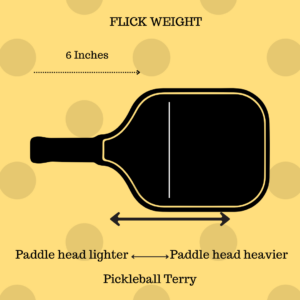
  • A paddle with a balance point at 24.1cm (6″) from the butt cap feels… balanced (duh).
  • Adding weight to the butt cap lowers flick weight without messing with swing weight.

Here’s how it works:

  • 1/4 oz (7g) on the butt cap drops flick weight by 1 point.
  • Add 1 oz (28g), and your paddle goes from flick weight 6 (balanced) to flick weight 2 (crazy fast).

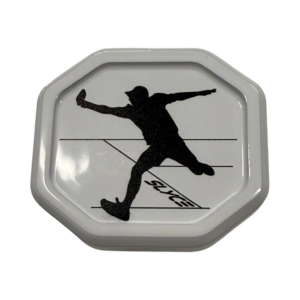
SLYCE Weighted SpeedCap (28g, 1.0 oz.) Paddle Performance Enhancer order here.

I just received a discount code for 10% off. Use Dinkpb10

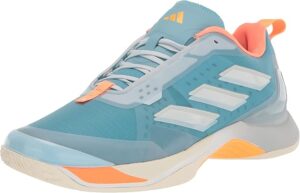
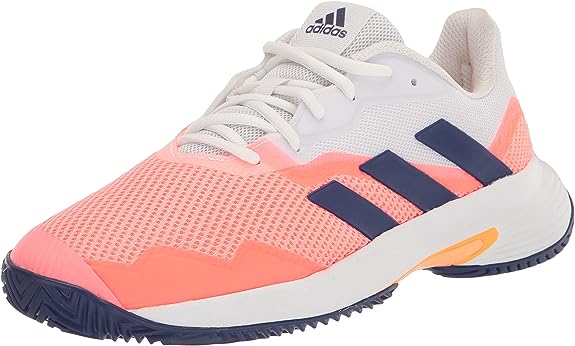
adidas womens court shoes
Adidas Women’s Court Shoes

Why “Heavy” Doesn’t Always Mean Heavy 🤯

Tested this with players ranging from 4.5 to 5.5:

  • They were given a 9 oz paddle (flick weight 3.2) and an 8 oz paddle (flick weight 6.8).
  • Every single player said the 8 oz paddle felt heavier.

Why? Balance. The 8 oz paddle had a higher flick weight, so it felt clunky despite being lighter.

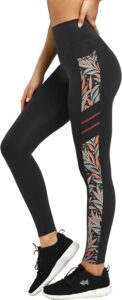
Yvette Printed Workout Leggings for Women High Waisted Yoga Pants with 2 Pockets Non See-Through Tummy Control
Click her 🧩

Flick Weight Made Simple Here’s an easy scale:

  • Flick Weight 6: Balanced.
  • Below 6: Head-light, faster paddle.
  • Above 6: Head-heavy, slower paddle.

a pickleball paddle showong the flick weight


How to Tune Your Paddle Like a Pro 🎯

Want your paddle to feel light and fast? Try this:

  1. Add Weight to the Butt Cap:
    • Start with 1/4 oz (7g). Even small changes make a big difference.
    • Pro tip: Replace your grip with a Hesacore and an overgrip (like Yonex Supergrap) to lower flick weight by 2 points.
  2. Keep Swing Weight in Check:
    • High swing weight for power? ✔️
    • Low flick weight for quick hands? Double ✔️.

a woman eating cake with a big pickleball in the background

The Big Takeaway 🎉

Understanding flick weight lets you have your pickleball cake and eat it too:

  • Power for drives? Check.
  • Speed at the kitchen line? Also check.

    Special Edition That Pickleball School (28g, 1.0 oz.) Paddle Performance Enhancer
    Special Edition That Pickleball School (28g, 1.0 oz.) Paddle Performance Enhancer click here USE coupon code DinkPB10

So grab your paddle, play around with weights, and get ready to dominate on the court. Happy tuning! ✨

Hope this post is entertaining and informative.

Thanks for reading,

Pickleball Terry
dinkpickleball@gmail.com

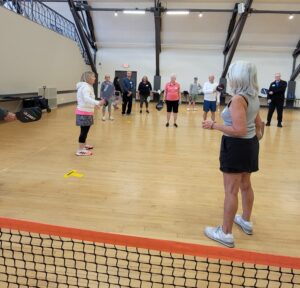
Pickleball Terry at her pickleball clinic with students in Sarasota, FL


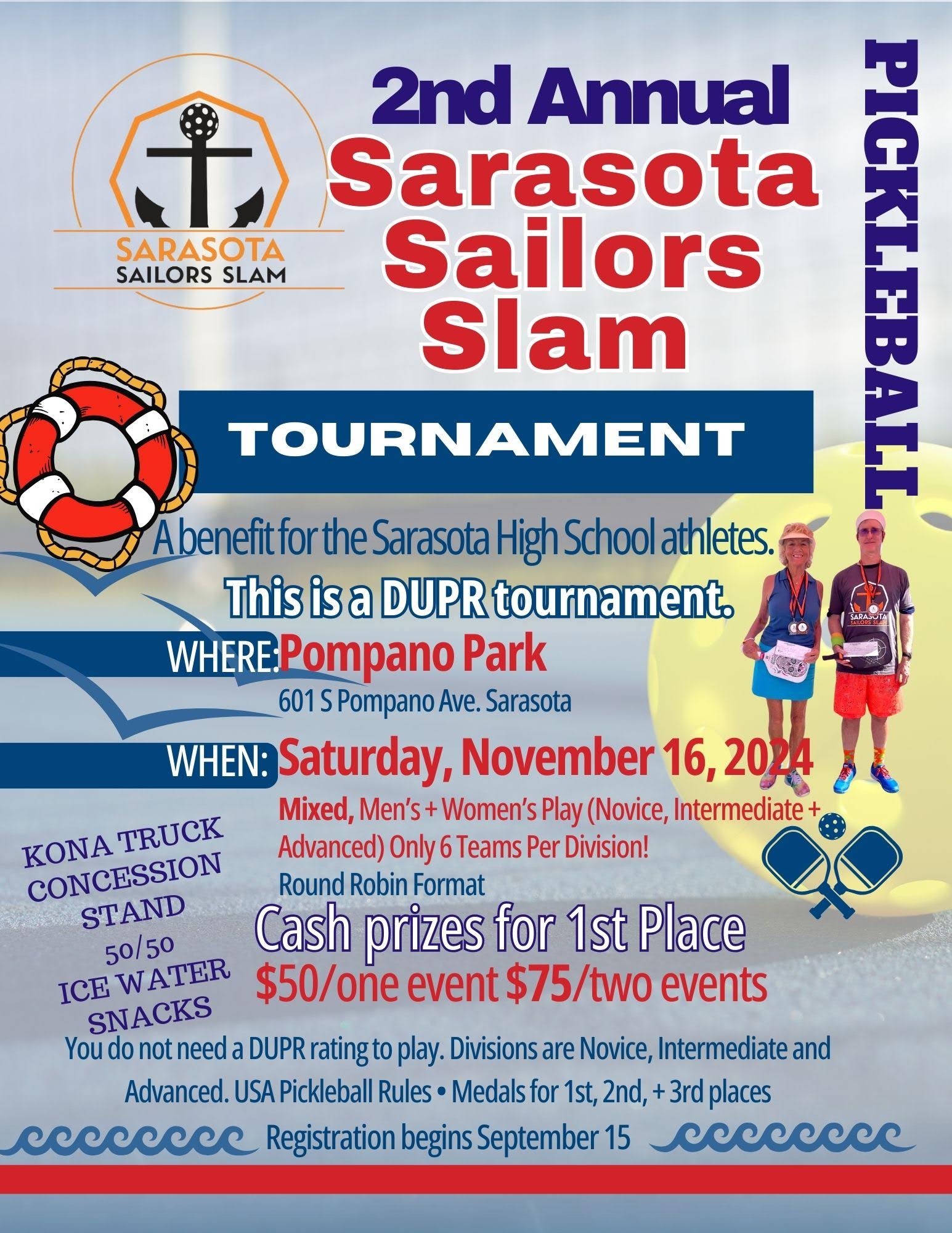
2nd Annual Sarasota Slam Tournament

ALL PROCEEDS GO TO THE SARASOTA HIGH SCHOOL ATHLETES


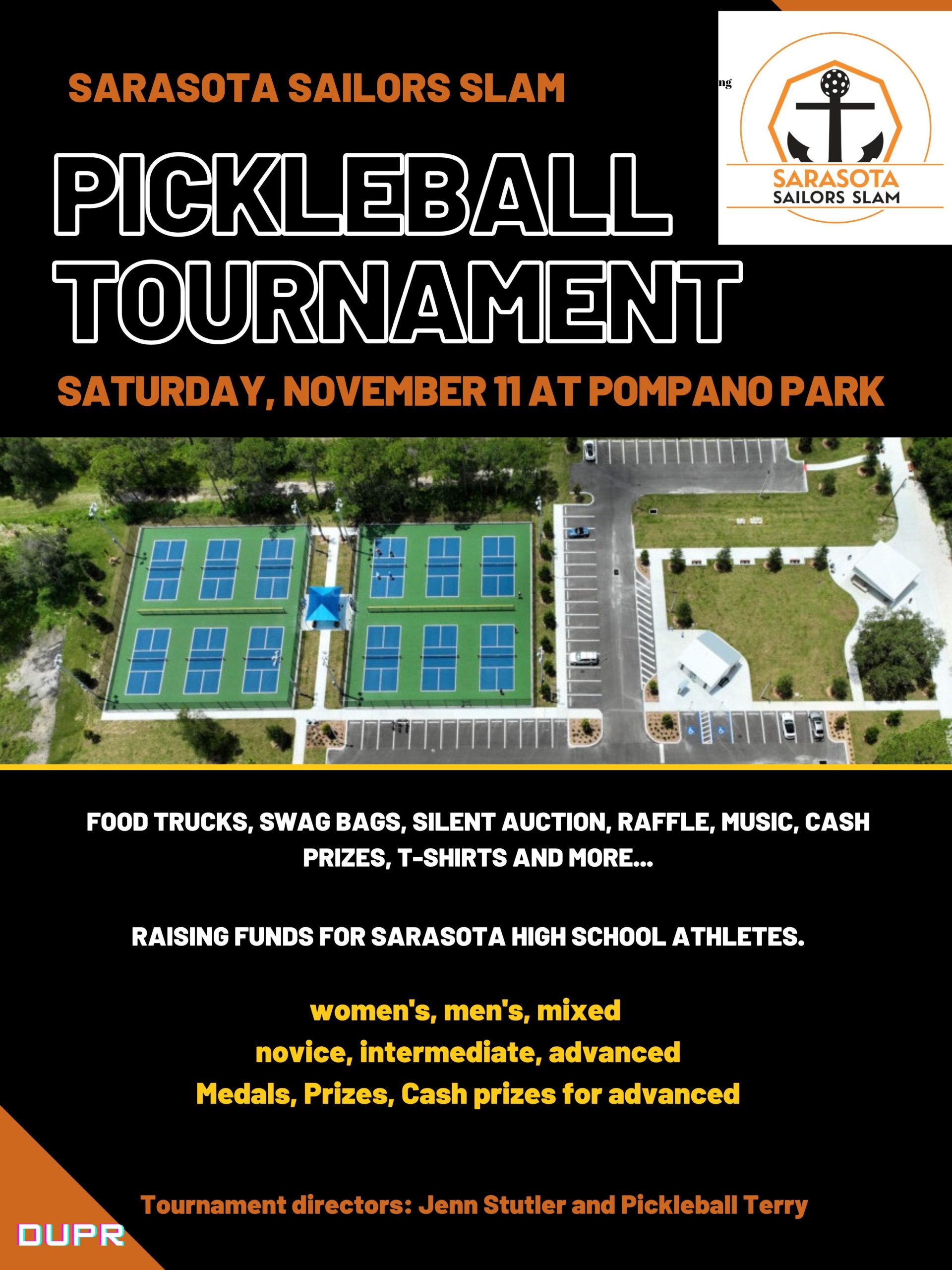
POSTER OF 2ND ANNUAL SARASOTA SAILORS SLAM
To register click here https://swishtournaments.com/product/2nd-annual-sarasota-sailors-slam/

Only 6 teams per division. Spots are filling quickly. Signup before they are closed. There will be a waiting list. Email dinkpickleball@gmail.com to be put on the waiting list.

We are using Swish Tournament software which means you will be able to find your opponents and court assignments on your Swish apps. You will also be able to see everyone’s score in realtime.

You do not need to have a DUPR score but you will need to signup with DUPR. When you register at Swish by clicking the link above, they will instruct you on how to validate your DUPR account. This is a sanctioned DUPR tournament. All scores will be recorded on the DUPR site.

We will have giveaways, 50/50, T-Shirts, Medals, Cash prizes, Free water and snacks, Free Kona Ice Slushies for participants, and so much more!!!

Booth rental space is $50.00 for vendors who want to sell pickleball related items.

We want to thank Archwell Health for supplying the Kona Truck.

Thank you,

Jenn Stutler and Terry Ryan


The Question I Get Asked Most Coaching Pickleball

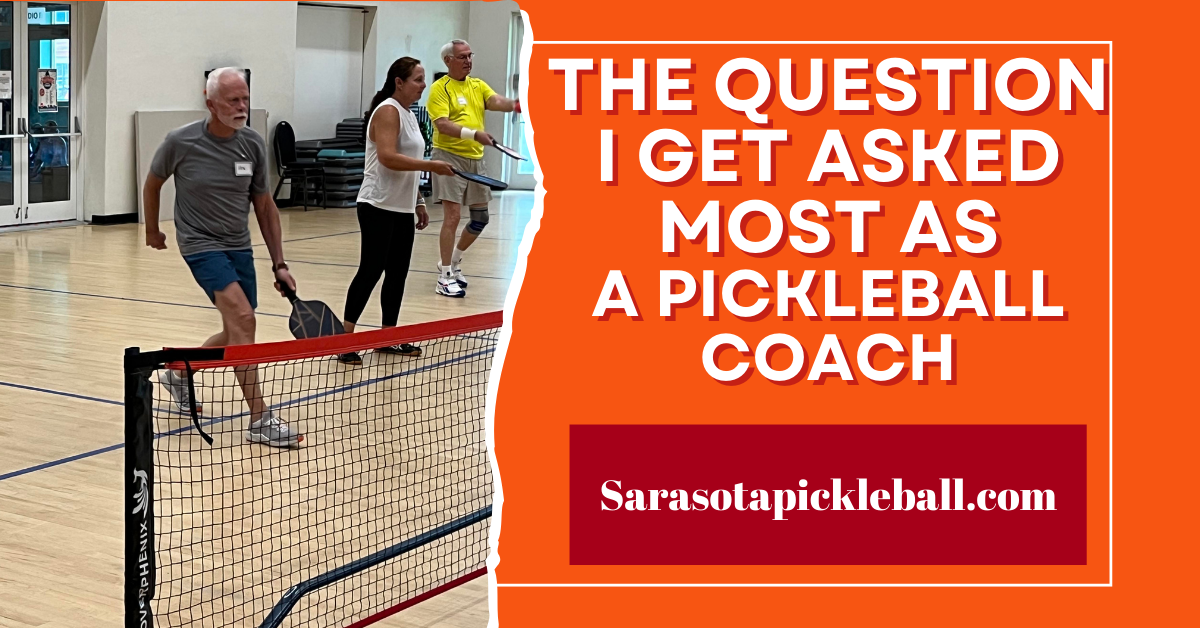
image of blog for sarasota pickleball

As a pickleball instructor and having taught over 1k students so far, the question I get asked most by novice to intermediate players is, WHY DO WE PRACTICE DINKING IF WE NEVER DINK DURING A GAME?

What is dinking? A dink shot in pickleball is a type of shot that is used to control the pace of the game and to gain an advantage over the opponent. The shot is executed close to the net, usually with a soft touch and with the aim of landing the ball just over the net.

Good question and so true. Warmup in my bootcamps/clinics/private lessons starts with dinking. Usually 100 times back and forth. followed by cross-court dinking, I can image that it is boring to some or even futile as when they play on the public courts, all they do and their opponents do is BANG! Slam! Hit as hard as the can.


Make sure you signup for the tournament at Pompano Park in Sarasota.


I explain, hitting the ball as hard as you can  works well during lower level play, but not in advanced intermediate to advanced. If you are not seeing dinking in your games, you are playing in a lower level. Period.

In advanced games, dinking is an essential strategy. Keeping the ball low is mandatory, and one pop-up is what your opponents were waiting for, and it’s no second chances.

EASY BLUEPRINT What should you do?

1.Serve deep
2 Return deep
3. 3rd Shot Drop
4.Dinking with patience
5.Waiting for your opponents to make the unforced errors

To win in a dinking battle a player must practice dinking in a non-game setting like in one of my clinics. We drill, drill, drill.


If you would like to join one of my BOOTCAMPS, send me your email address and I’ll add you to the list. We practice keeping the ball low,  speedups and resets, target practice,  put-a-ways, doubles strategies, and 3rd Shot Drops.

Thanks for reading and keep playing pickleball.

Pickleball Terry

941-400-0978
Dinkpickleball@gmail.com

Pickleball Terry


Questions Players Ask Me About The Kitchen

Picture of Pickleball Terry

cartoon of coach for Sarasota PickleballIf I had a dollar for every time I am asked a question for clarity about the KITCHEN, A.K.A. the non-volley zone (NVZ), I’d be buying a home in Monaco. The kitchen rules are mind benders for beginners, and especially for former tennis players. I can tell by the way their eyes glaze over that THIS DOES NOT COMPUTE! My patience for repeating and reconfirming the rules again and again deserves an award for determination. Sometimes, my newbie will try to contest the rules, but I calmly repeat, “No, you cannot rush the net and slam the ball unless it bounces in the NVZ.” My newbie’s face, that a second ago had the look of VICTORY, turns into a sour frown. But, but, but….they respond.
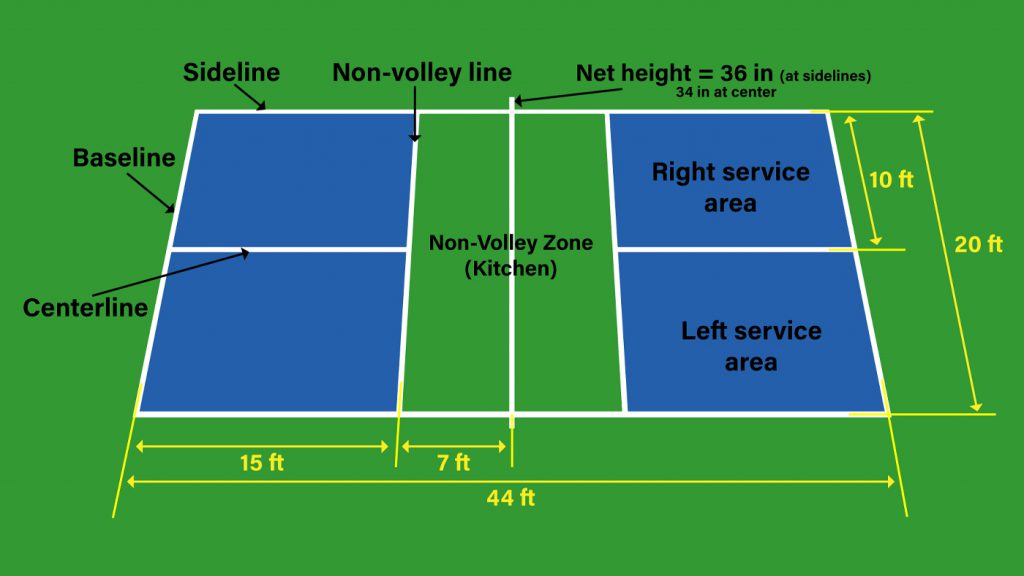
Pickleball court for Sarasota Pickleball on kitchen rules

Along with figuring out how to keep score, keeping out of the NVZ ties with -scoring on hard to remember. That 7 feet by 20 feet area is a big hurdle to get over. No, you cannot go in the kitchen unless the ball bounces. Yes, you can hangout in the kitchen all you want but you still can’t hit the ball if it doesn’t first bounce in the kitchen. Oh, that confuses them more than the 2 bounce rule.

So, here are the most questions I answer about the kitchen as a pickleball coach.

Student: So you mean I can’t go into the kitchen?

Me: Yes you can but it’s not a good idea to hangout there because you can’t hit the ball during a volley.

Student: What’s a volley?

Me: It’s when you strike a ball in the air before it bounces.

Student: Can I go into the kitchen after the ball bounces in the kitchen?

Me: Yes, you can enter the kitchen if the ball bounces but it is a good idea to get right back out or you will be a target for the next shot.


Student: Why do you call if the non-volley zone sometimes?

Me: Because kitchen is another name for the non-volley zone or NVZ. A volley is striking the ball before it bounces.

Student: Yeah, but why “kitchen.”

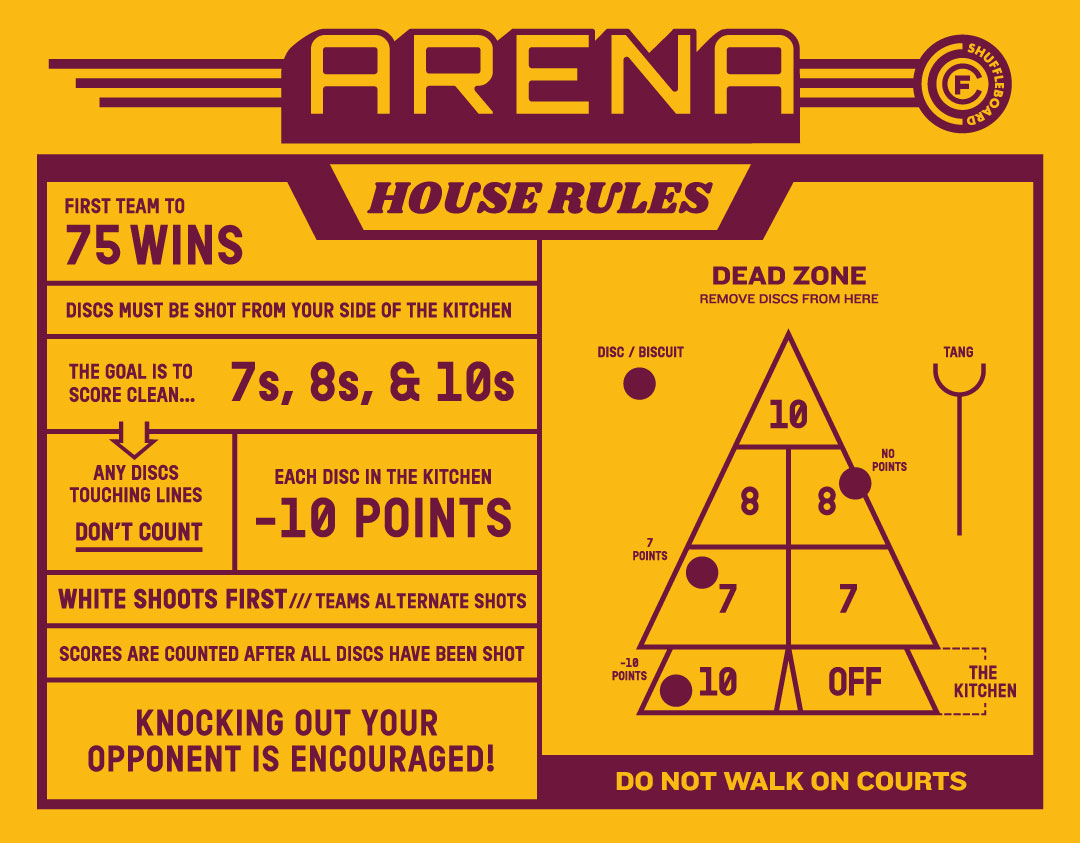
Me: Because pickleball is several sports put together and KITCHEN comes from shuffle board. You are penalized for being in the kitchen in shuffleboard.

A picture of shuffleboard rules for Sarasota pickleball

Student: Can I go into the kitchen before the ball bounces?

Me: Yes you can.

Student: Do I have to go out of the kitchen and back in to hit a ball?

Me: If the ball bounces in the kitchen again you don’t have to go out and back into the kitchen.

Student: What if I hit it in the air?

Me: Then you do have to be out of the kitchen and both feet have to be on the ground to hit a volley ball right after you hit a ball that bounces in the kitchen.

Student: So, you’re saying I can’t rush the net?

Me: You can if the ball bounces in the kitchen.

Student: Can the ball go into the kitchen during a serve?

Me: No, that’s a fault.

Student: Can I return a ball into the kitchen after it is served to me?

Me: Yes.

Student: Can I go into the kitchen after I hit a volley outside of the kitchen?

Me: No, your momentum cannot take you into the kitchen.

Student: If my toe is on the NVZ line is that considered being in the kitchen?

Me: Yes.


Student: If the ball bounces outside of the kitchen in the court and I hit it then run into the kitchen is that okay.

Me: Yes.

Student: Can the ball strike the NVZ line on the serve?

Me: No. It’s a fault.

Student: If being in the kitchen is so dangerous, why are you always telling me to RUN UP TO THE KITCHEN?

Me: Because being at the kitchen line gives you the advantage of cutting your opponents reaction time and putting the ball away winning the point.

Some other things I point out.

You cannot drop anything in the kitchen during a volley like a hat, a ball that drops out of your pocket, a tissue, etc. It’s a fault.

Your partner cannot pull you out of the kitchen during a volley so you can hit the ball if he/she is standing in the kitchen. It’s a fault.

You cannot hit a dink then strike the net. That’s a fault. A dink is a light hit of the pickleball that drops it just over the net into the kitchen area.

If you have any comments or questions, feel free to email me at dinkpickleball.com.

Thanks for reading!

Pickleball Terry
Terry Ryan
dinkpickleball@gmail.com
941-400-0978
SarasotaPickleball.com – owner/Gearbox Dealer
Pickleball Terry for Sarasota Pickleball

Clinics
Group and private lessons
Tournaments
941-400-0978